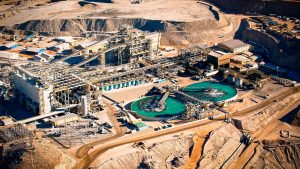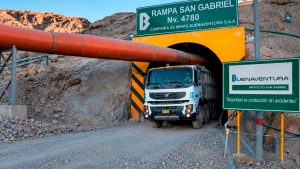
Power outages in mining operations can result in losses exceeding US$1 million per hour in critical processes, especially in large-scale, high-criticality operations, warned César Soto, Hitachi Energy’s power grid automation specialist for Peru and Bolivia. Faced with this scenario, mining companies are accelerating the adoption of digital substations to prevent shutdowns
According to the specialist, the adoption of this technology has grown significantly in the country in recent years. While digital substations previously accounted for just 10% of new greenfield projects, they now account for around 40%, driven primarily by the need to ensure energy continuity and prevent operational losses in energy-intensive sectors such as mining.
“An unscheduled outage can result in losses amounting to millions of dollars, depending on the size of the operation. In some cases, outages can cause losses ranging from $1.4 million to $12 million per event or outage period, depending on the duration and criticality of the process,» Soto said. He added that “digital substations enable early detection of anomalies, reducing response times and facilitating predictive maintenance rather than scheduled maintenance, which requires shutting down entire operations.”.
Greater operational efficiency
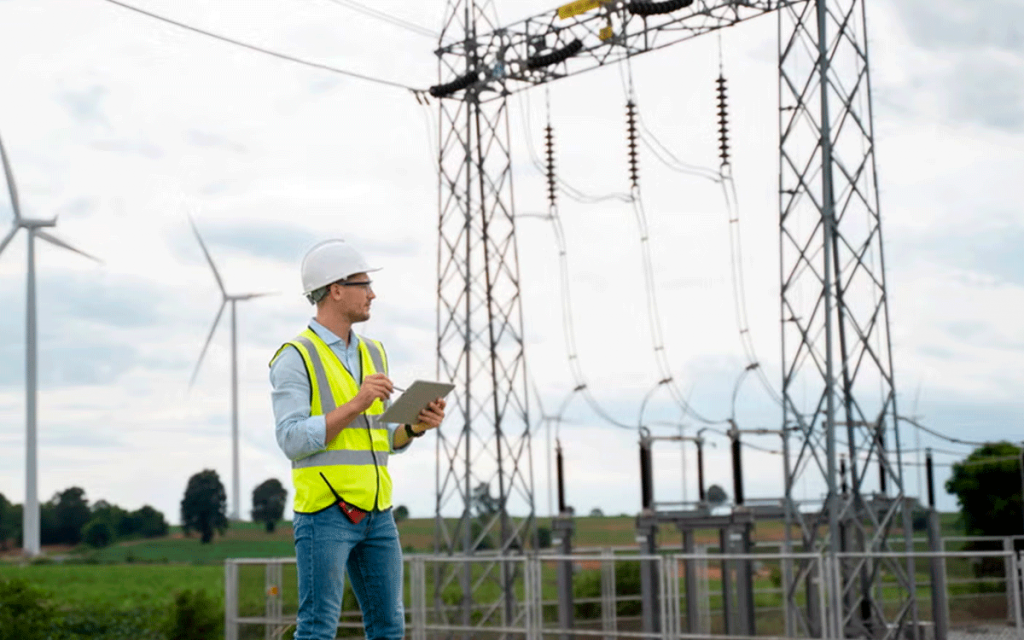
Unlike conventional substations, where information travels via large volumes of copper wiring, digital substations consolidate data and transmit it via fiber optics, enabling continuous monitoring, automation, and greater real-time visibility of electrical assets.
According to Soto, this model reduces copper usage in installations by between 50% and 70% and cuts the civil infrastructure required for substation construction by up to 50%. Furthermore, digitization reduces commissioning times and minimizes the need for field personnel, thereby also helping to reduce emissions associated with transportation and energy consumption at construction sites.
The executive specified that mining is currently the main driver of these solutions in Peru due to the high criticality of its operations. “Mining companies need to ensure permanent energy continuity because any interruption represents significant economic losses,” he indicated.
He also pointed out that electricity and utility companies are incorporating these technologies in both new projects and modernization processes of existing infrastructure.
Finally, the spokesperson highlighted that one of the main challenges in the Peruvian market remains accelerating trust in these technologies, despite them already having international standards and being widely used globally.
“Today, clients not only evaluate the initial implementation cost but also the operational and maintenance savings they can obtain throughout the substation's lifespan, which can exceed 40 years,” he concluded.