By Vidalón Guillermo, Social Communicator specializing in the Extractive Industry
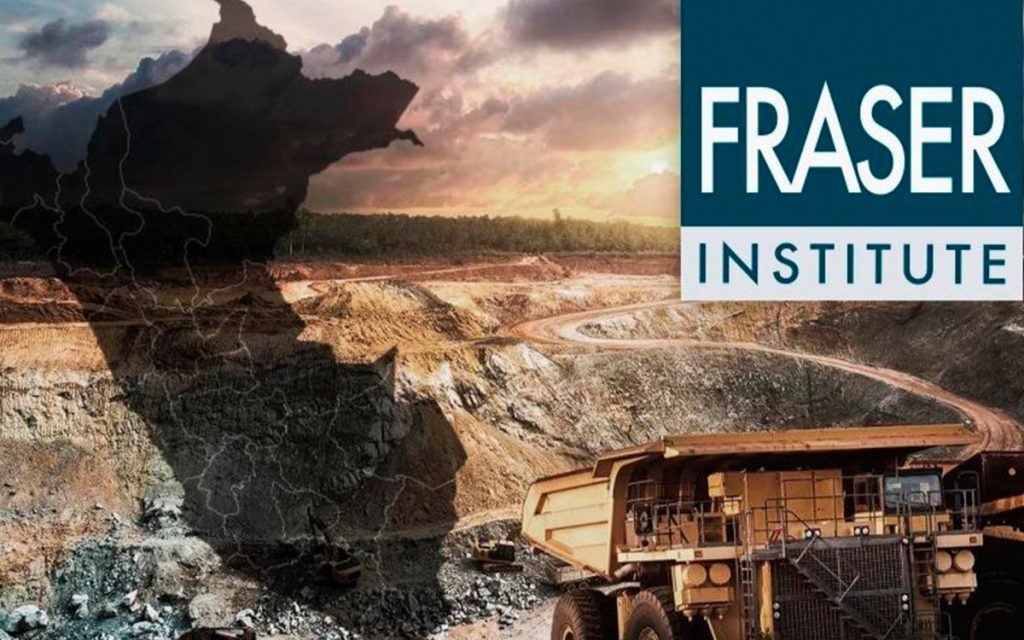
The Fraser Institute of Canada has released the results of its 2023 research, which includes the opinions of investors in the mining industry, indicating which countries are most attractive for directing their capital.
Peru's position in the rankings has improved compared to previous years; however, it is still far from being among the top 10 countries. This allows them to have a portfolio of investments in development, rather than just a huge volume of projects to be executed. Sometimes, the axiom that more investment generates more employment, reduces poverty, and increases citizen prosperity due to increased production volume and productivity from improvements in production processes seems to be forgotten. Therefore, analyzing which countries are in the top positions and why is relevant for determining what Peru must do to become a more attractive country.
Chile, the world's leading copper producer, saw a drop of almost 9 points compared to 2022. Brazil, regardless of the political color of its governments, maintains its decision to strengthen its economic development to become one of the 5 largest economies in the world. Mexico fell more than 23 positions in the Investment Attractiveness Index.
Regarding these countries and others like them, investor concerns focus on political factors such as the administration of current regulations (environmental, regulatory overlap, unpredictable legal system, complex and unattractive tax regime, ambiguity regarding protected areas, disputed territorial claims, lack of infrastructure, trade barriers, political instability, labor inflexibility, and shortage of skilled labor).
Colombia went from enthusiasm for investment and security under Alvaro Uribe's government to being on the list of the 5 least attractive countries for investment under Gustavo Petro's leadership. Petro's policy against mining also extends to hydrocarbons, where investment in exploitation has fallen, as has investment in shale gas and liquefied natural gas imports. When “nationalism” becomes populism, the end result is scarcity and higher prices for domestic gas and electricity rates that its inhabitants will have to pay. In 2026, Colombia will have to choose between following Bolivia's path or changing course.
Peru has improved, but it still faces several challenges such as managing social conflicts (illegal mining and its links to criminality), delays in processing permits, among others. Given this, it is worthwhile to revisit the proposal to establish Concurrent Control of Extractive Activities, which would allow for progress and reduce the risk of concessions being occupied by illegal operations. Formal mining seeks to advance on different fronts; if any procedure is impossible to execute under current circumstances, this should not be an obstacle to stopping a process that will always be superior to that proposed by illegal mineral extraction.
Developed countries like the United States and Canada have the most jurisdictions (4 each) in the Top 10 ranking, followed by Africa (1) and Europe (1). Each of them offers better investment conditions. In 2023, Argentina under President Javier Milei stood out, also increasing its score.
Thank you for reading. Please share so that more citizens are aware of the importance of mining in Peru's development.