
In a move focused on modernizing and decarbonizing its electrical infrastructure, ISA ENERGIA BRASIL — a leader in power transmission in that country — has begun installing the first 460 kV reactor in Latin America that uses vegetable oil as an insulating and cooling fluid.
Supplied by Hitachi Energy, the 460 kV shunt reactor uses vegetable oil insulating fluid in this project, increasing operational safety and reducing environmental impact in high-voltage applications.
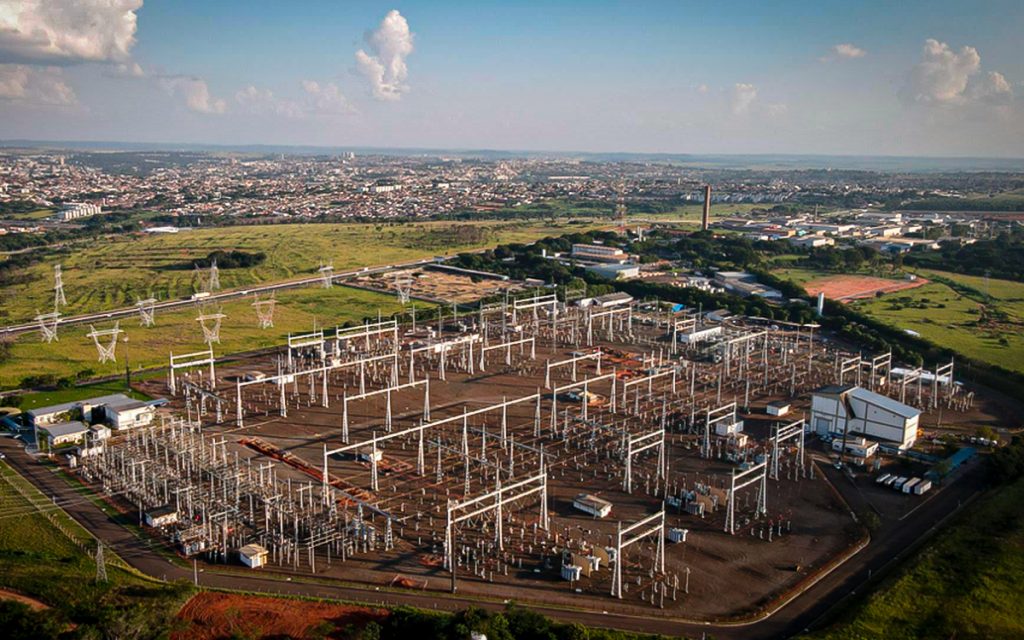
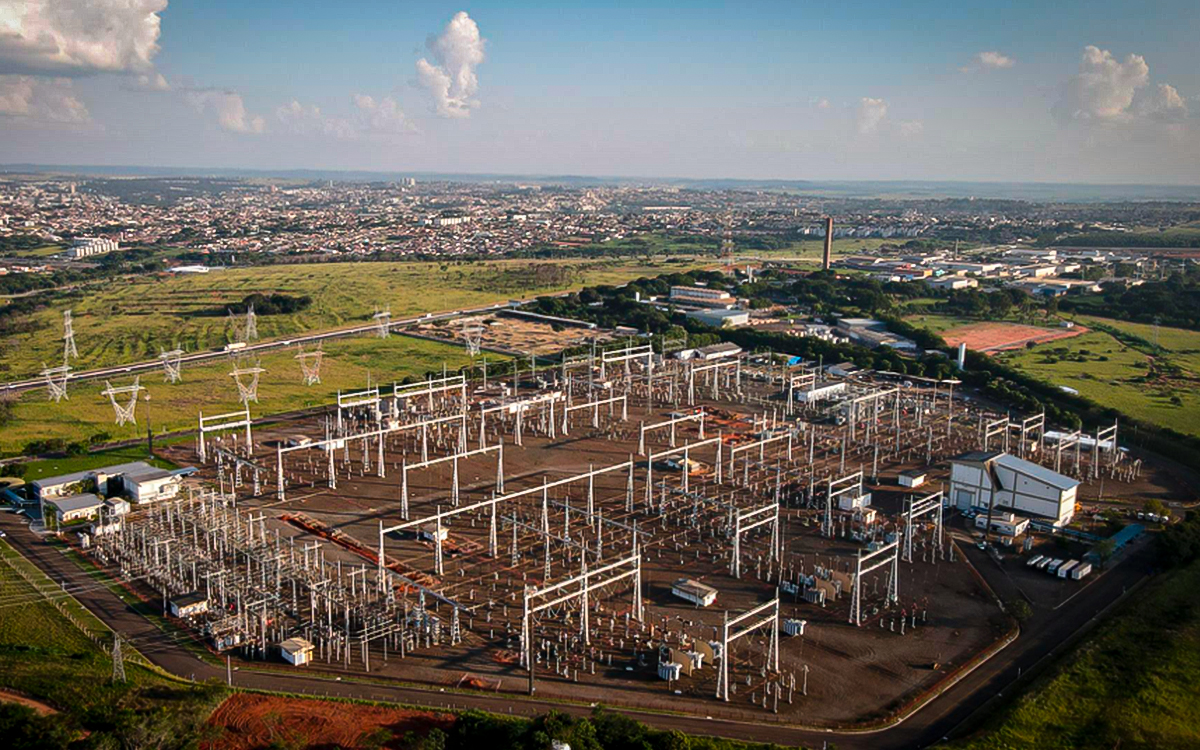
The initiative contemplates an investment by ANEEL (National Electric Energy Agency) and is aimed at replacing traditional mineral oil, derived from petroleum, with an organic compound of renewable origin. Located at the Bauru Substation, in the interior of the state of São Paulo, the equipment represents a technological milestone for the electricity sector due to its innovation, operational safety, and sustainability.
At an operational level, shunt reactors are essential for the stability of the electrical system, as they act to absorb reactive power. When excessive, this can cause voltage rises on the grid, especially in situations with low load or on long transmission lines. Thus, these large-sized equipment contribute to grid stability, ensuring that power reaches consumers safely, consistently, and within the system's operational limits.
The project includes four single-phase tap-changing transformers with a capacity of 50 Megavolt-amperes reactive (MVAr) each. Each unit requires approximately 14,700 liters of vegetable oil, totaling about 58,800 liters of sustainable input. The first unit arrived at the substation in May, while the others are scheduled for August.
The Bauru Substation is undergoing a series of modernization investments (upgrades and improvements) totaling approximately R$1.9 billion (approx. US$38 million), including the installation of vegetable oil reactors and the replacement of other equipment and systems, thereby increasing operational reliability and providing greater energy security for the National Interconnected System (SIN). In total, the project at the Bauru Substation will also contribute to the creation of more than 100 direct and indirect jobs during construction, in addition to serving as one of the company’s Oil Treatment and Special Maintenance Centers and an innovation laboratory.
«The substitution of the petroleum-derived input with a vegetable-based, renewable alternative reinforces ISA ENERGIA BRASIL's commitment to initiatives that drive the clean energy transition and is fully aligned with our 2030 Strategy. This unprecedented project demonstrates that it is possible to evolve the electricity sector's infrastructure by combining operational reliability and sustainability,» commented Dayron Urrego, Executive Director of Projects at ISA ENERGIA BRASIL.
High complexity engineering
The reactor's development required a multidisciplinary task force, involving global and local experts from Hitachi Energy, due to the complexity of applying vegetable oil in a high-voltage class, such as 460 kV. The higher the voltage level, the greater the challenges for the equipment's internal insulating materials, which demanded rigor at all stages of the engineering project.
This is an unprecedented technology, designed from its inception to operate with vegetable oil. To make its manufacturing viable, Hitachi Energy conducted specific logistical studies, promoted process adaptation, established alliances with strategic suppliers, and mobilized special teams for handling the vegetable oil.
These four single-phase units are the largest shunt reactors supplied globally by Hitachi Energy. The use of vegetable oil at this voltage level represents a significant milestone in the collaboration between ISA ENERGIA BRASIL and Hitachi Energy.