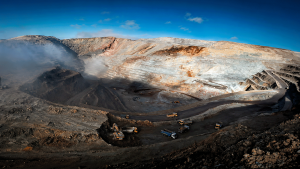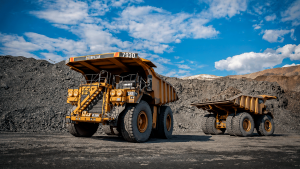
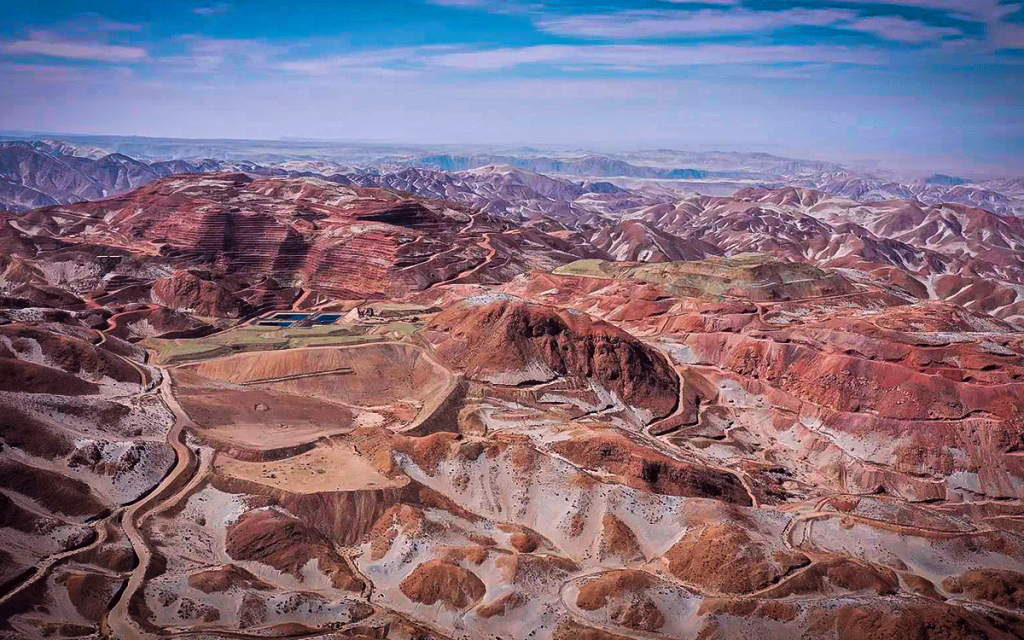
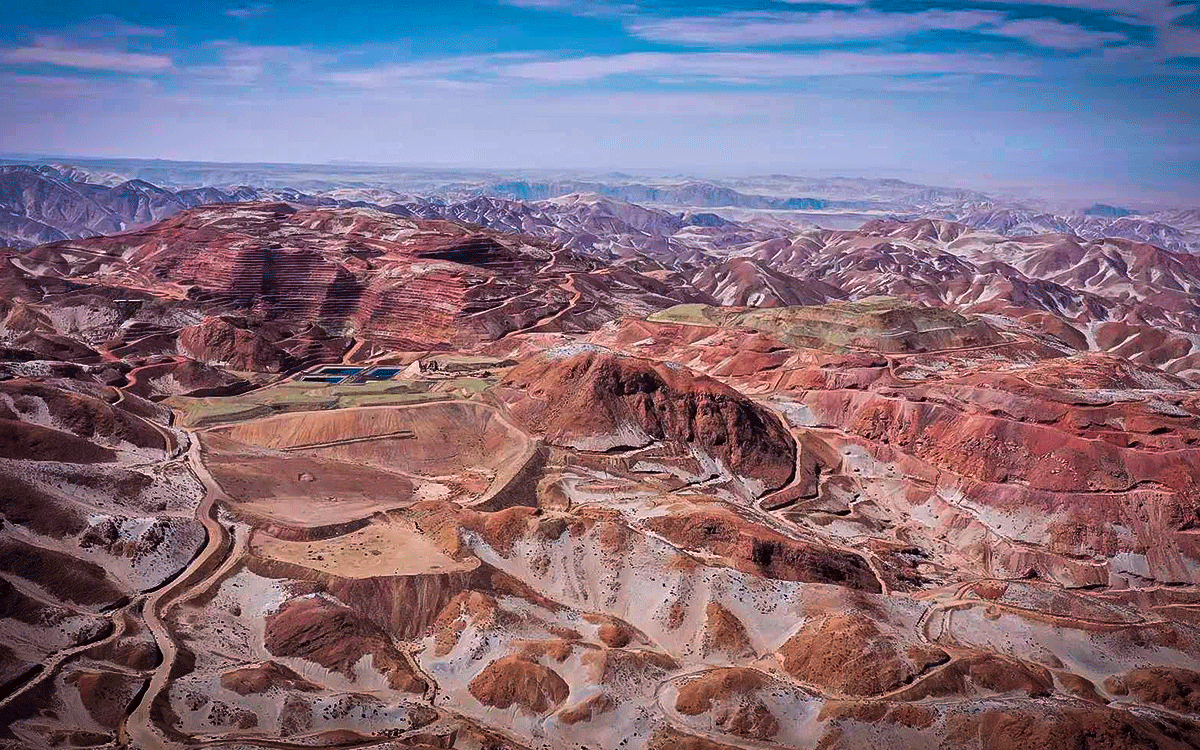
Quilla Resources has launched a growth strategy to transform Chapí in a larger-scale copper operation in the south of Peru. The company plans to increase copper cathode production to reach 30,000 tons annually, relying on the development of new ore bodies and the utilization of existing infrastructure within the mining unit located in Moquegua.
To achieve this goal, the company estimates an investment of between US$200 million and US$300 million. The funds will be allocated primarily to the development of the deposits Chapí, Atahualpa, Pampanero y Candelaria, considered fundamental to sustain the operation's growth in the coming years.
The proposal is part of a long-term vision aimed at consolidating Chapí as a relevant copper producer in a scenario marked by growing global demand for the metal, driven by the energy transition and the development of new technologies.
During a presentation held at the Australian-Peruvian Chamber of Commerce Australia Business, the Chairman and CEO of Quilla Resources, Víctor Gobitz, explained that the company seeks to gradually increase the mine's production capacity, relying on the geological potential of its concessions and an operating model focused on sustainability and community relations.
The project also represents a new stage for an operation that remained inactive for over a decade. Chapí ceased production in 2012 due to operational difficulties and an unfavorable metal price environment. Following the acquisition of the asset in 2024, Quilla initiated a comprehensive review of its resources, infrastructure, and operating conditions with the goal of reactivating the mine.
As a result of that process, the production of cathodes copper It resumed operations in February 2026. Currently, the facility is operating at approximately half of its installed capacity, although the company expects to reach 100% capacity utilization by the fourth quarter of the year.
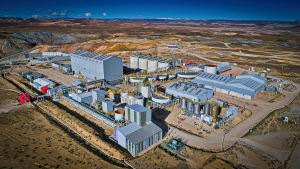
The mine has a solvent extraction and electrowinning (SX-EW) plant with a capacity to produce 10,000 tons of cathodes annually copper, authorized volume in the current Environmental Impact Study. Likewise, it has the necessary water permits for the development of its activities.
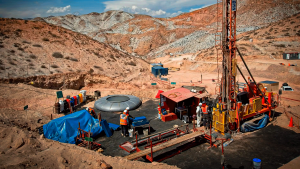
In parallel, the company is executing an exploration campaign with five active drilling rigs. The work aims to expand geological knowledge of the property and evaluate the potential for deep mineralization.
Between 1973 and 2013, approximately 640,000 meters of drilling were carried out within the concessions of Chapí. However, much of these campaigns focused on relatively shallow areas, which is why Quilla believes there is still significant potential to be explored at deeper levels.
The investigations conducted so far have identified various copper porphyry systems within the project's area of influence. The company believes that further studies could significantly expand the understanding of the mineral potential of its 26,000 hectares of concessions.
As part of its financing strategy, Quilla also evaluates a potential incorporation into the Toronto Stock Exchange, alternative that would allow it to access capital to support its projected expansion plans.
Located in one of the country's most important copper-producing areas, Chapi is part of a mining corridor where projects such as these operate or are being developed Cerro Verde, Cuajone, Quellaveco, Los Calatos, and Toquepala. This location strengthens the geological appeal of the project and supports the growth expectations put forward by the company.
With operations already resumed and an aggressive exploration campaign underway, Quilla Resources bet on converting Chapí in a larger-scale operation and a relevant player in the copper production of southern Peru.