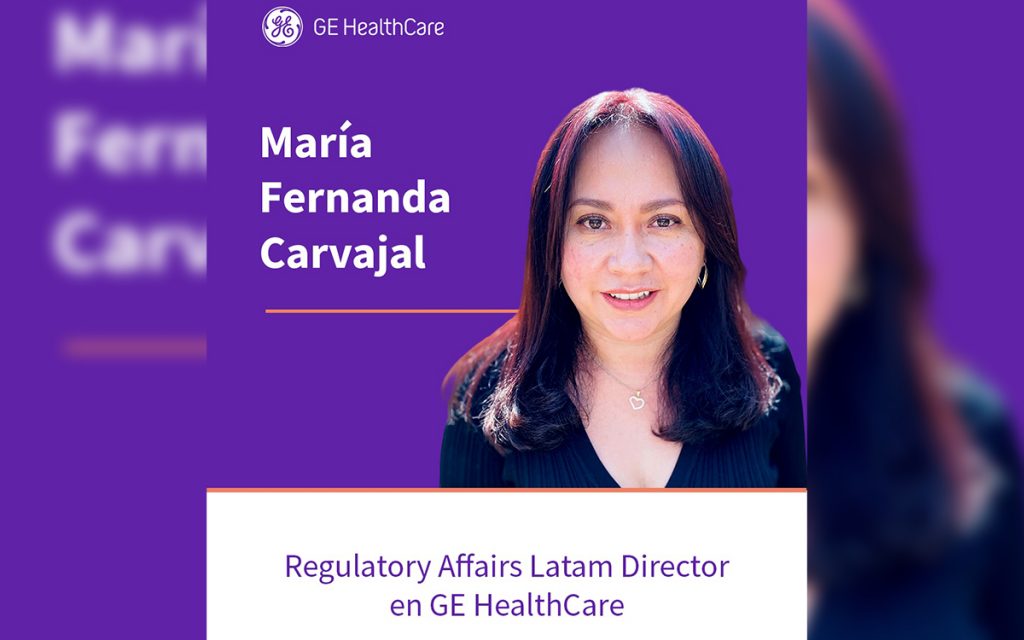
By: María Fernanda Carvajal, Regulatory Affairs Latam Director at GE HealthCare.
Every June 28th, the world commemorates International LGBTQIA+ Pride Day, a date that celebrates diversity and promotes the inclusion of all people, regardless of their sexual orientation or gender identity. According to a study by Statista, more than 33 million Latinos belong to the LGBTQIA+ community. In Peru, more than 1.7 million people identify with a diverse sexual orientation, according to data from the Ombudsman's Office in 2020. .[1]
Although progress has been made in recent years toward the inclusion of members of this community, further efforts are still needed to build a diverse and inclusive country, as 62.7% of LGBTQIA+ individuals in Peru have experienced some form of violence or discrimination. However, only 4.4% of them decide to report these acts, due to fear, shame, or a lack of knowledge about the available legal processes, according to the National Institute of Statistics and Informatics (INEI)[2].
Discrimination, stigma, and violence act as barriers to the full participation of people in various aspects of life, whether it's access to educational opportunities, the job market, or healthcare, indicates the World Bank.[3], therefore, it is necessary to continue working to break down those limitations.
In this context, it is essential to recognize and highlight the actions undertaken by organizations to embrace diversity and inclusion, and go further by integrating these values into their corporate culture, helping to raise awareness about the importance of building diverse and safe spaces for all their collaborators.
At GE HealthCare, we demonstrate a strong commitment to inclusion and diversity at all levels of the organization, focusing our Diversity, Equity, and Inclusion (DEI) efforts with strategies such as our Employee Resource Groups (ERGs). These groups, like Pride Alliance and Women's Network, provide safe and supportive spaces for employees of diverse identities and experiences.
Pride Alliance, in particular, has been instrumental in promoting LGBTQIA+ diversity within the company, organizing campaigns and activities that raise awareness and educate people on relevant issues.
Furthermore, at GE HealthCare, we extend our commitment to diversity to our supply chain. The company actively seeks out diverse suppliers, including those owned by women, minorities, veterans, individuals with disabilities, and members of the LGBTQIA+ community. This strategy not only promotes equity but also enriches the supply chain with a variety of perspectives and experiences.[4].
In that regard, I believe that companies play a crucial role in building diverse and inclusive organizational cultures. It is not enough to declare the importance of diversity; it is necessary to design and implement concrete strategies that ensure all individuals—regardless of their gender, sexual orientation, gender identity, age, ethnicity, abilities, or socioeconomic background—find a safe space to develop professionally. This involves reviewing talent attraction and selection processes, establishing clear policies against discrimination, offering training on unconscious bias, and creating channels for active listening for employees from underrepresented groups. Our responsibility is not only to be a facilitator but also an agent of change and a guarantor of a corporate culture that celebrates difference as a value.
Let’s not forget that having diverse teams is not only an ethical and social imperative, but also a proven driver of innovation and performance. Diversity enriches collective thinking, brings different perspectives to solving complex problems, and enables organizations to better understand and serve a diverse customer base. A 2024 report by the Boston Consulting Group (BCG) highlights the business benefits of inclusion initiatives, demonstrating that organizations that prioritize inclusion outperform their competitors in innovation, employee retention, and market responsiveness. Furthermore, companies with diverse leadership teams generate 19% more revenue through innovation compared to their less diverse peers, clearly demonstrating the financial advantages of building inclusive workplaces[5].
Therefore, it is vital that companies adopt a strategic role in promoting diversity, because we are not only building fairer cultures, but also more competitive and sustainable ones in the long term.
On this International LGBTQIA+ Pride Day, let's call for action from our professional trenches. Inclusion should not just be a date on the calendar, but a daily commitment that transforms structures, decisions, and organizational cultures. Companies have the opportunity and the responsibility to be safe environments where every person can be authentic, contribute their talent, and develop fully. From our various organizations, we can lead this change, not just with policies, but with conviction, empathy, and results that demonstrate that diversity is not a concession, but a powerful competitive and human advantage.
[1] Information from the Public Defender's Office. Consult here.
[2] Information from the National Institute of Statistics and Informatics (INEI). Consult here.
[3] World Bank Information. Consult here.
[4] GE HealthCare Information. See here.
[5] Human Rights Campaign Foundation Information. Consult here.