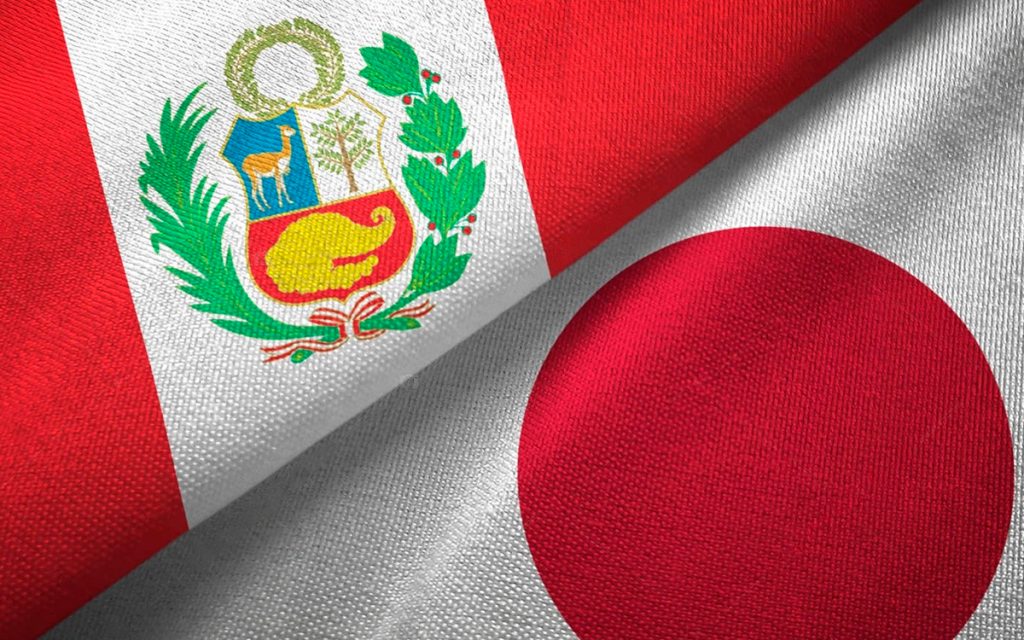
The Minister of Energy and Mines, Jorge Montero, affirmed from Tokyo that Peru is considered by Japan as a strategic partner for the supply of essential minerals in the global energy transition. According to him, the Asian country has a “greater, not lesser, interest” in resources such as copper, lithium, and other critical minerals, which are fundamental for the change in the energy matrix from fossil fuels to renewable energies.
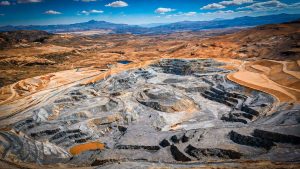
Montero detailed that major Japanese corporations, such as Mitsubishi, Mitsui, Marubeni, Sojitz, Nippon Koei, Itochu, Hitachi, and Sumitomo, are already participating in highly relevant mining and energy projects in Peru, including Antamina, Quellaveco, Cerro Verde, Bayóvar, and Perú LNG. These companies, described by the minister as “enormous, world-class corporations,” have significant investments in the country and have expressed their interest in expanding them.
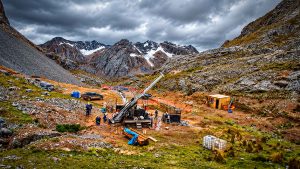
Regarding lithium, the Minister of Energy and Mines confirmed that the Falchani and Quilcaya deposits, located in Puno and managed by the Canadian company Macusani Yellowcake, are currently in the exploration phase. He acknowledged that there are delays in some work, but highlighted the engagement of Japanese companies interested in participating in the development of these deposits.
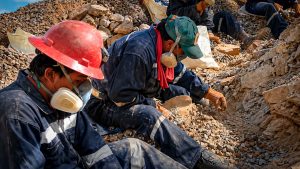
Montero also recalled that Peru and Japan have a bilateral roadmap for 2024-2033 that includes technological cooperation, environmental protection, and mining formalization. Among the agreements, joint work on small-scale and artisanal mining stands out, as well as on the protection of the Amazon affected by oil activities.
At another time, the minister spoke about the recent statements by the president of Colombia, Gustavo Petro, regarding an alleged “takeover” of Colombian territory and the aerial incursion of a military aircraft from that country. He clarified that “the island has been Peruvian since the Salomón Lozano Treaty in 1922” and assured that “it has never been in dispute and will not be in the future.”.
Finally, Montero announced that the Executive branch is working on developing a new Law for Small-scale and Artisanal Mining (MAPE) with a validity of 25 to 30 years. This legal framework, she said, is being built with input gathered from a multisectoral technical committee and will aim to formalize at least four groups of authorized registrations by December 31, 2025. Furthermore, she urged congress members to declare if they have mining activities in the process of formalization to avoid suspicions.