The use of natural gas from Camisea is expected to reduce Peru’s carbon dioxide (CO₂) emissions by 18% by the end of 2025. This is revealed in the study «Contribution of natural gas to improving air quality, public health, and climate change mitigation«, developed by the environmental consultancy Libélula and presented today at the Peru Carbon Forum 2026, the country's main annual event dedicated to promoting carbon markets and corporate climate action.
The report concludes that natural gas has established itself as a strategic resource for the country's energy transition and for meeting its climate commitments, contributing since 2004 to diversifying the national energy matrix and reducing greenhouse gas emissions.
To quantify the scope of this reduction, the study points out that it is equivalent to the carbon absorption capacity of more than 200,000 hectares of lowland rainforest, reflecting the magnitude of this resource's contribution to climate change mitigation.
Concrete public health benefits
The study also quantifies the impact of natural gas on air quality and the health of Peruvians. Its incorporation into the energy matrix 22 years ago contributed to reducing the incidence of respiratory diseases in the population, generating savings exceeding S/1,400 million in productivity and hospital expenses.
Sustainable operation in the Amazon and the coast
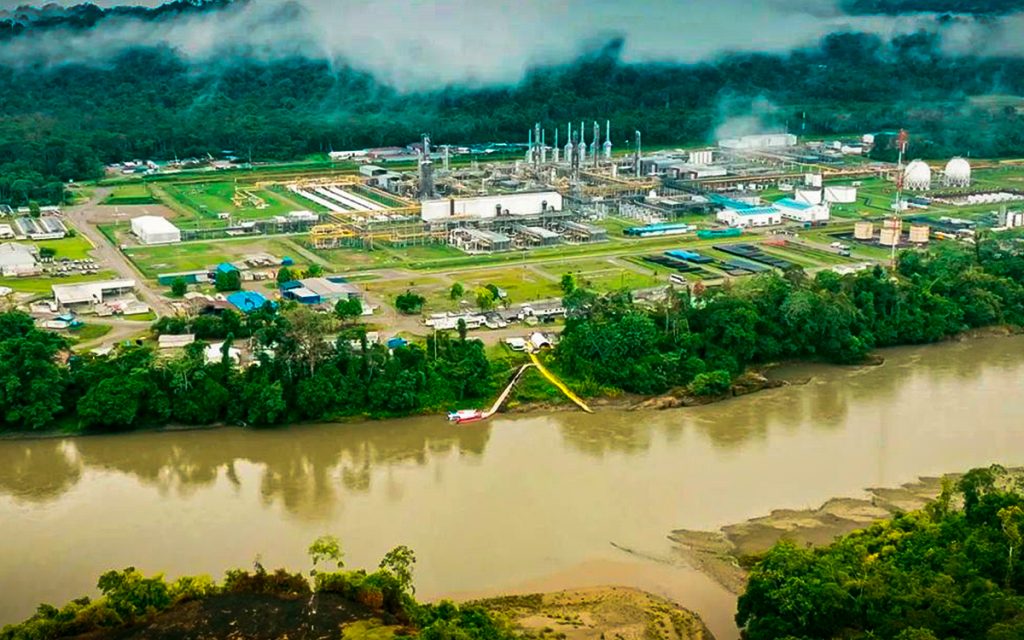
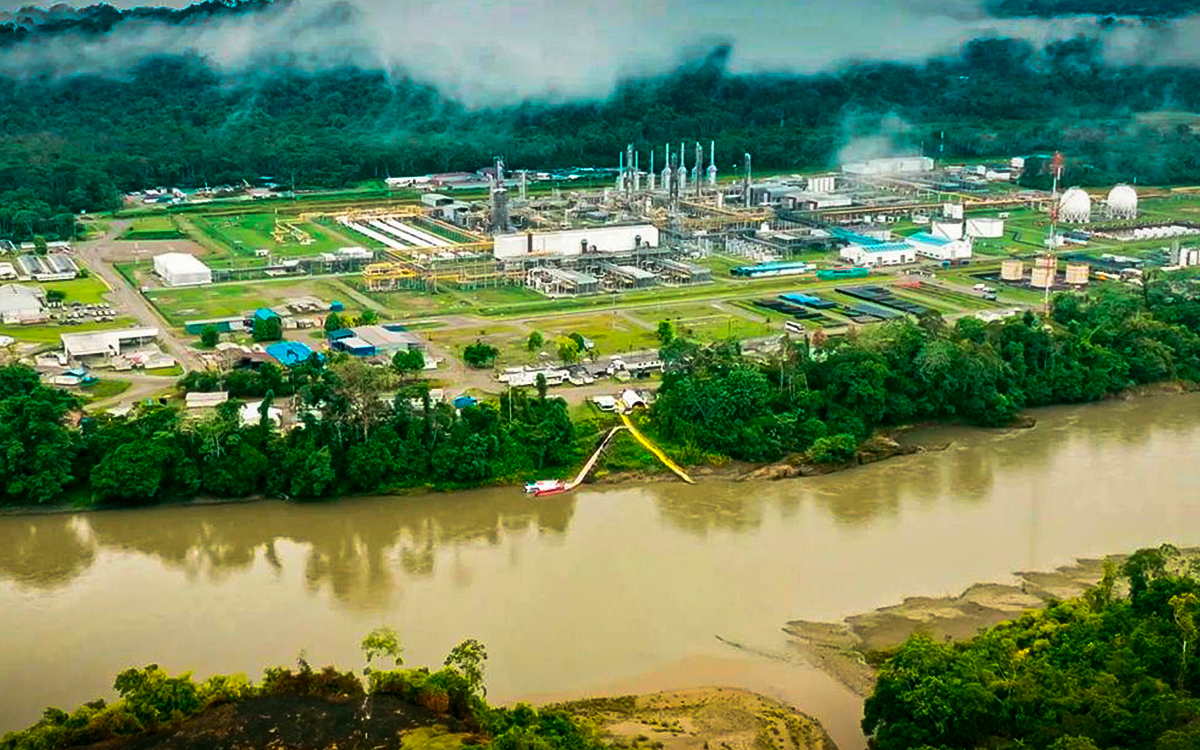
Since the start of its operations in 2004, the Camisea Consortium has applied a sustainable management model based on the execution of high environmental standards to carry out its activities in the Cusco Amazon and on the coast of Pisco.
Among its main practices, the model stands out Offshore Inland, which allows operations in the Cusco jungle without road construction, using air and river logistics while preserving the natural environment of the Lower Urubamba in the Megantoni district (La Convención province). The Green Ducts program, on the other hand, promotes the revegetation of areas affected by the natural gas transportation system.
Three long-term environmental monitoring programs confirm Camisea's good performance, in addition to being a source of information for researchers and authorities: the Community Environmental Monitoring Program (PMAC), which promotes the active participation of native communities in tracking the environmental and social commitments of the operation; the Marine Coastal Monitoring Program (PMC), focused on environmental surveillance in the coastal area of Pisco; and the Biodiversity Monitoring Program (PMB), which studies and records the state of ecosystems with the participation of local researchers and Machiguenga co-researchers.
The sustained application of these standards has positioned Camisea as a benchmark for responsible environmental management in the national energy industry and a key player in Peru's transition towards cleaner energy consumption.