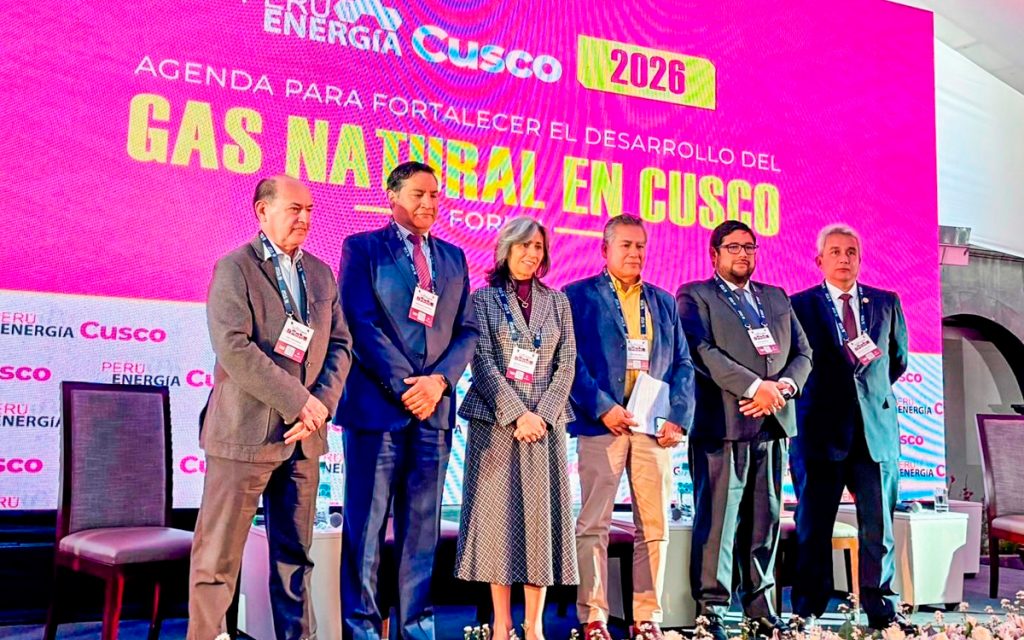
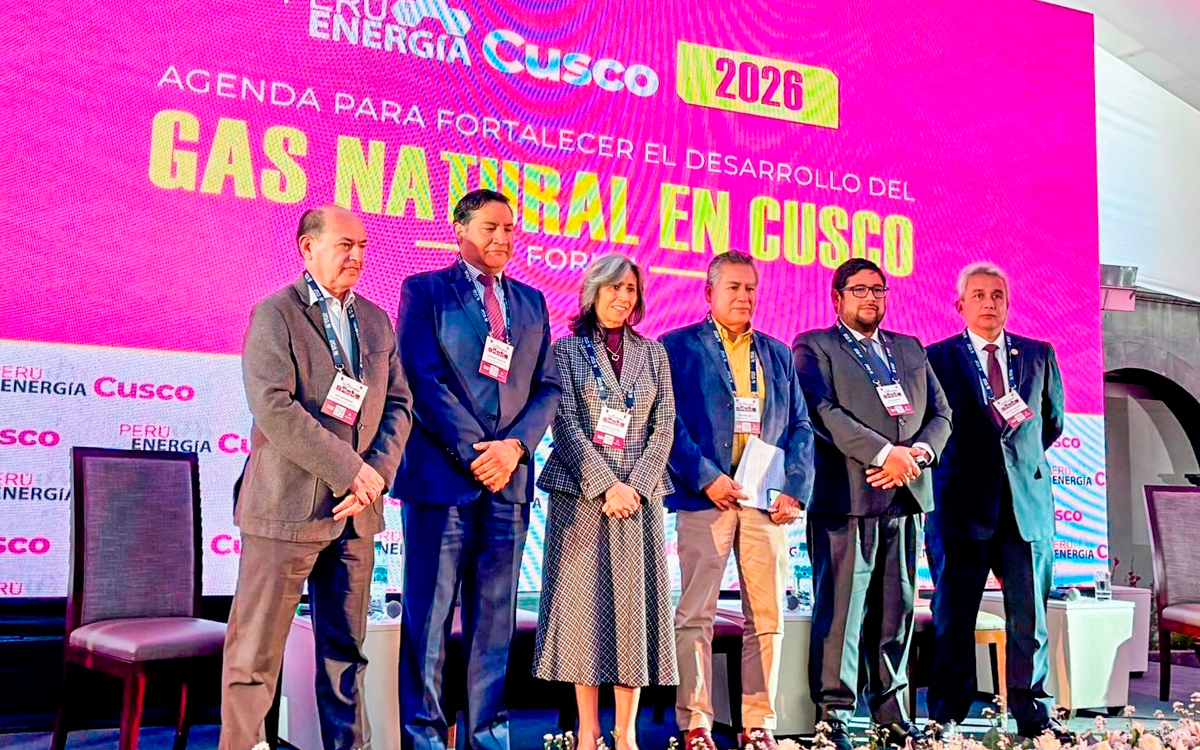
During the Peru Energia Cusco event, specialists and sector representatives agreed that the region's main challenge is no longer generating resources, but rather converting them into tangible development for the population. In the last two decades, Cusco received over S/ 33 billion linked to the gas sector; however, gaps in infrastructure, competitiveness, and social development persist in various provinces of the region.
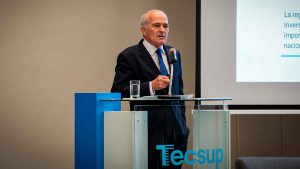
In that regard, Fernando Santoyo, president of the Cusco Chamber of Commerce, pointed out that with those resources the region could have financed 62 High-Performance Schools (COAR), 46 regional hospitals, two international airports, and nearly 900 kilometers of paved roads. However, he indicated that there are still significant challenges related to closing gaps and long-term investment planning.
“We have received significant resources from gas, but we still have social and economic gaps to resolve. We need to improve how public investment is planned and executed,” he indicated.
Santoyo also maintained that a significant portion of the resources ended up being distributed among small projects with no structural impact, which is why he considered it necessary to prioritize strategic investments that generate a greater impact for the population.
Along the same lines, Epifanio Baca, executive coordinator of Grupo Propuesta Ciudadana, pointed out that the main challenge is to strengthen the articulation between planning, budget, and public investment.
“Having a lot of money doesn't make a difference. There's a clear problem with inefficiency,” he stated.
Baca added that several provinces receiving fewer resources show similar or superior results to areas highly benefiting from the canon, which demonstrates the need to promote projects aimed at effectively closing gaps.
Both specialists agreed that the region's future will depend on maintaining energy sustainability and continuing to promote exploration investments. In this regard, Arturo Vásquez, director of research and senior professor at the Gerens Graduate School, pointed out that the country needs to boost planning and investments to ensure the availability of resources and energy security in the coming decades.