
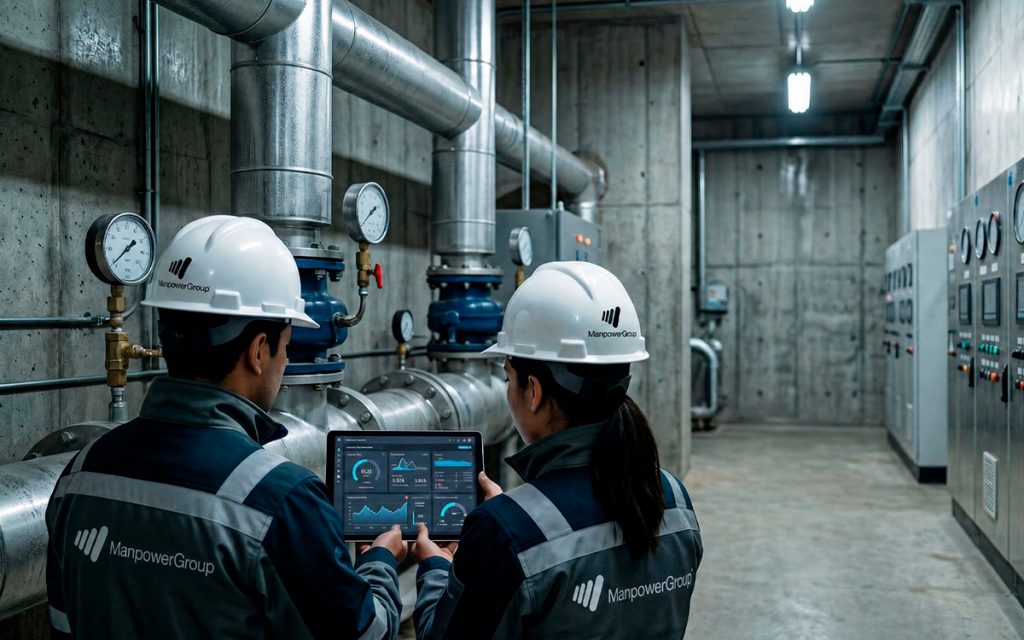
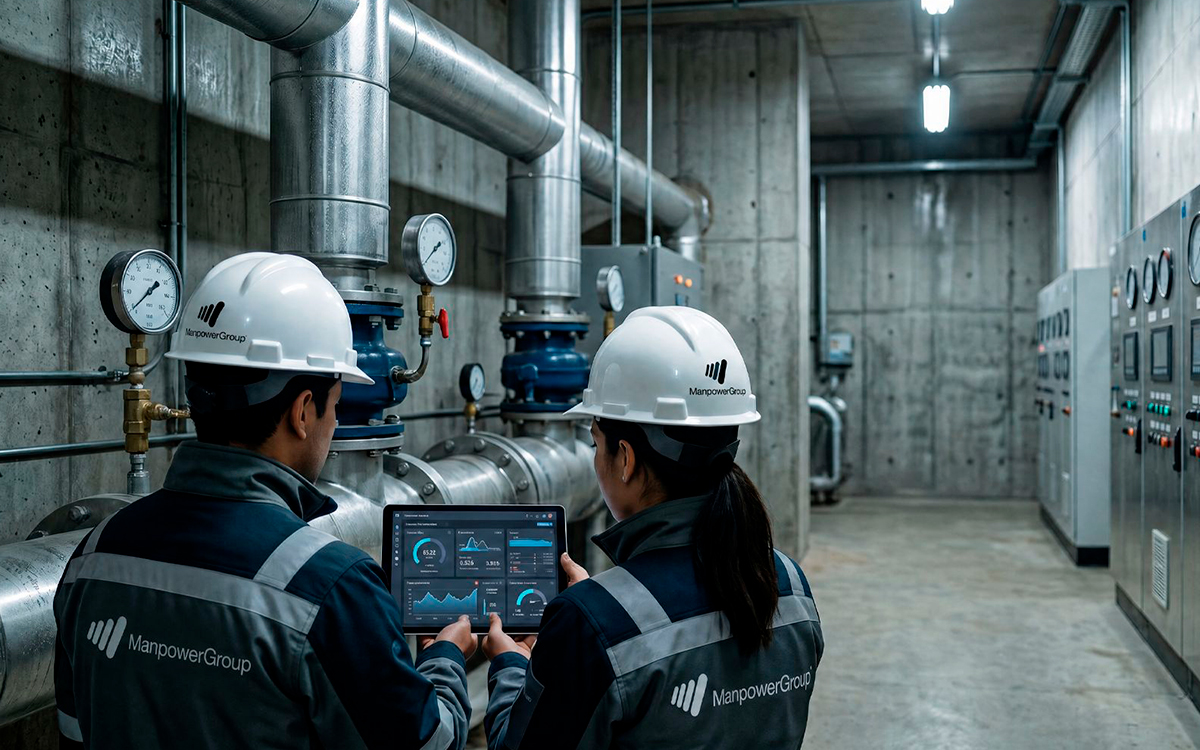
The shortage of qualified engineers is no longer just a hiring challenge, but a factor that is beginning to limit growth in key sectors worldwide. According to the latest report from ManpowerGroup, 73% of employers report difficulties filling engineering positions, amid accelerating demand for infrastructure, energy, technology, and advanced manufacturing.
This gap is occurring alongside an unprecedented investment cycle. According to the report, governments will need to allocate nearly US$1.4 trillion annually to the development of social, transportation, energy, and digital infrastructure, driven by megatrends such as urbanization, digitalization, and the reconfiguration of supply chains.
The impact is already being felt across various industries. In the aerospace and defense sector, 76% of companies report difficulties in filling key engineering roles. In the semiconductor industry, it is projected that the sector will need to hire nearly 1 million skilled workers by 2030. Added to this is the expansion of data centers and renewable energy projects, which are driving up global demand for electrical engineers.
“The shortage of engineers is a warning sign for sectors that rely on highly specialized technical capabilities. Companies will have to rethink how they attract, train, and retain talent if they want to sustain their growth plans.”, said Claudia Talavera, Managing Director of Experis Peru.
The report also notes that artificial intelligence is transforming the talent profile in engineering. While it automates routine tasks such as data analysis and administrative processes, it increases the demand for skills such as problem-solving, critical thinking, and creativity. In fact, 80% of employers believe that these skills will be key to advancing the use of AI in the sector.
For markets like Peru's, this trend presents an additional challenge: how to develop and retain technical talent in a context where competition is increasingly global and where strategic sectors depend more and more on these capabilities.
Beyond the numbers, the message is clear: economic and technological transformation depends not only on investment or innovation, but on the talent capable of executing it. In this scenario, training and retaining engineering professionals will be a decisive factor for the competitiveness of countries and companies.