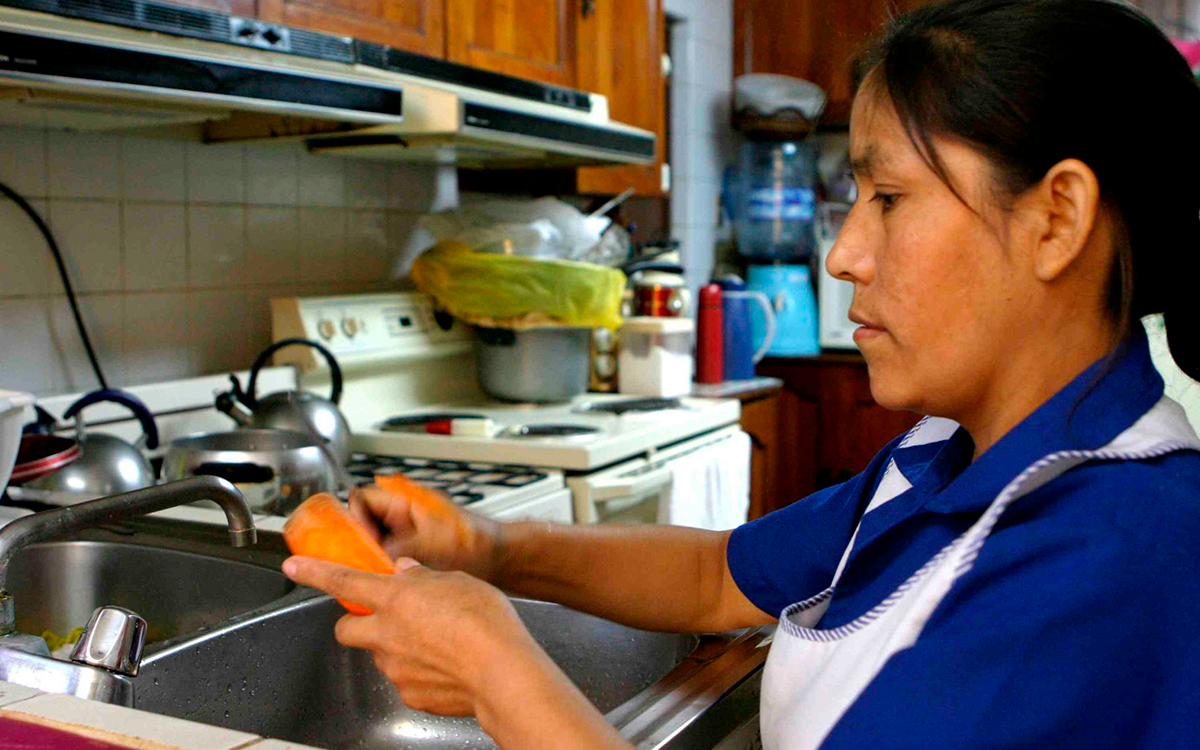
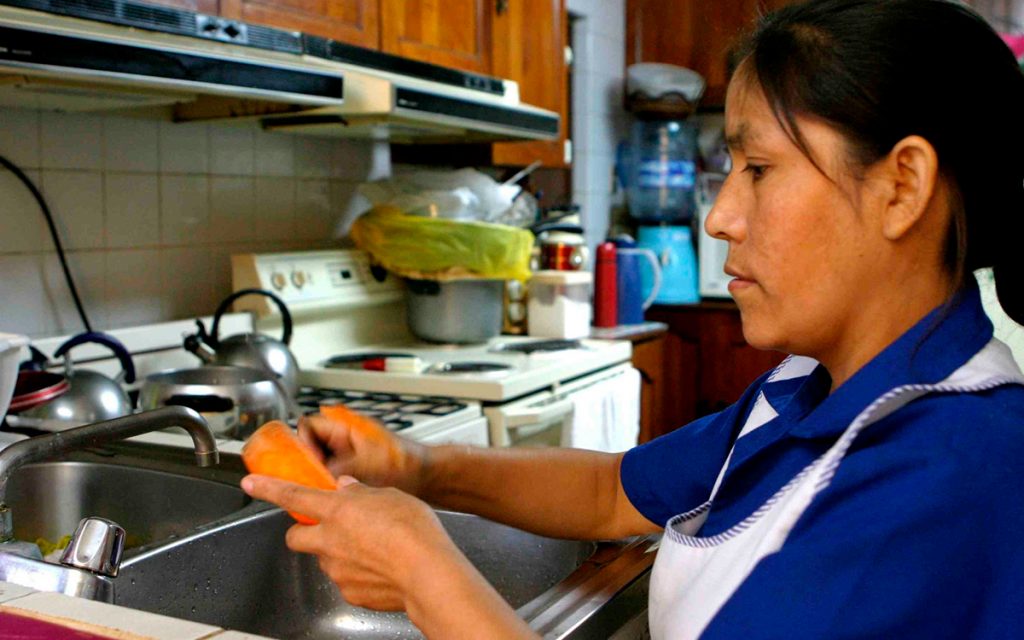
The domestic labor market in Peru remains one of the most rigid cores for formalization. On the eve of Labor Day, the figures reveal that Law No. 31047 has not managed to reverse a structure where precarity is the norm: More than 95% of domestic workers remain in the informal sector.
This universe, composed of more than 400,000 people —of whom 95% are women—face significant barriers to accessing social security. According to an analysis of employment indicators, the formal-informal employment gap is wide: Only 1 in 20 female workers has a written contract., Master document for the enforceability of rights.
Impact on the family economy
The precariousness in this sector not only affects the individual but also generates a domino effect on consumption and the stability of lower-income households. Since More than 40% of these female workers are heads of household, The absence of benefits directly impacts the financial resilience of thousands of families.
According to the National Household Survey (ENAHO), lack of protection is reflected in minimum coverage levels:
- Social SecurityLess than 10% has access to Peruvian Social Security Health System.
- Severance PayJust the 5% perceives the CTS, eliminating any safety net in case of job loss.
- ForecastLow banking penetration and a lack of contributions limit the sector's savings and retirement capacity.
The factor of «co-responsibility»
Rocío Valencia, the International Labour Organization (ILO) spokesperson points out that the challenge is to translate legal obligations into daily practice in households. A critical point is that the 70% for employers still does not internalize the norm as applicable to their private environment, even though domestic work facilitates the labor participation of other segments of the population.
«Precarious employment in the home directly impacts the family economy and reduces autonomy for making financial decisions or leaving abusive environments,» warns Valencia.
Towards contractual formalization
For the ILO, it is clear that the formalization of this sector is an outstanding task for revenue collection and social justice. “From the ILO, we seek to promote the use of technical tools and contract models through the ”Care for those who care for you' platform, under the premise that formality is an investment in the sustainability of care," she concluded.