
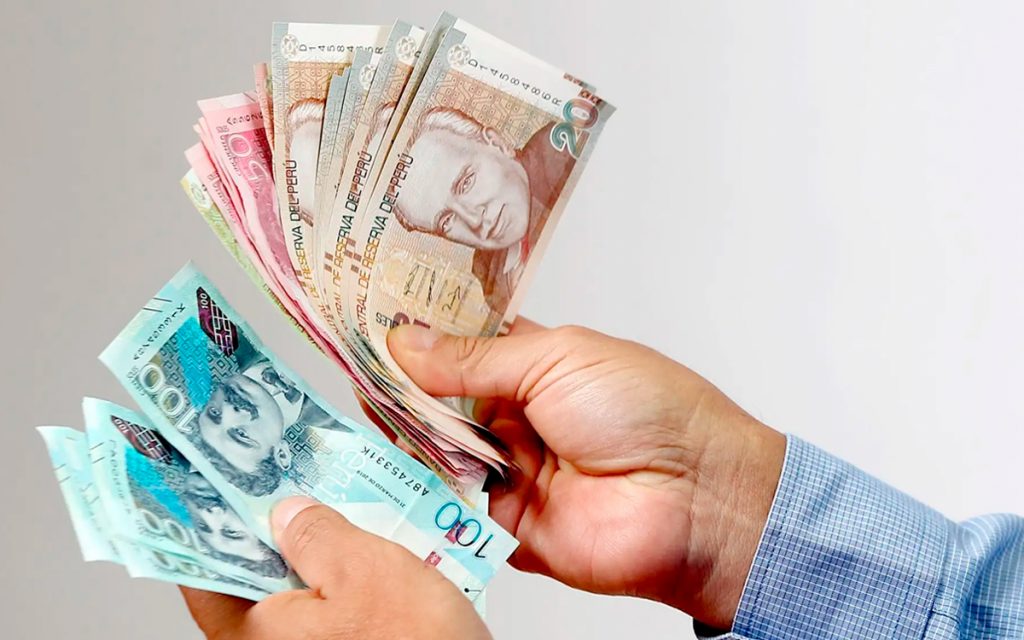

The Peruvian consumer earns little, consumes actively, and lives very differently depending on their location in the country. This is the portrait shown by Equifax-Infocorp's analysis of the Peruvian population over 18 years of age.
It is estimated that 29.41% earn less than S/ 1,400 per month, and another 29.91% earn between S/ 1,400 and S/ 2,300. Overall, nearly 6 out of 10 Peruvians for whom data is available earn less than S/ 2,300 per month. Only 0.031% earn more than S/ 11,000.
«Knowing the profile of the Peruvian consumer in depth is the first step to responsibly and sustainably expand access to credit,» he/she points out. María Chirinos, Equifax-Infocorp People Channel Manager.
A market of scale with real financial needs
An analysis by wealth segment confirms this structure. The group with the lowest estimated economic capacity accounts for 32.1% of the population—more than 10.5 million people—compared to the 4.11% that belongs to the highest-wealth segment. It is not a market with high purchasing power, but it is a market of scale: millions of people with real financial needs that institutions capable of properly assessing them can serve.
«There are people who generate income and actively participate in the economy, but who have not yet managed to fully integrate into the formal financial system. The challenge is to identify them better and expand their access responsibly,» added Chirinos.
The consumer is not the same across the country.
The risk score for individuals estimates the probability that someone will default on a loan in the next 12 months. More than 15.1% of the national population is classified as having scores considered high risk; however, this risk is not uniform, and significant variations can be identified across regions, with the northern coast and the jungle representing the highest credit risk in the country, and the southern Andean region of the country showing the lowest risk indicators identified at the national level.
For entities with regional expansion plans, the takeaway is more straightforward: applying the same approval criteria nationwide means approving too much in some regions and rejecting too much in others. Understanding these differences is as crucial as understanding the client itself.
The next step: tools that read that market
Portraying the Peruvian consumer is just the starting point. The financial system must develop tools capable of evaluating that consumer with the same precision with which the traditional segment is evaluated today.
«Peru has a diverse, active consumer with real purchasing power. Our task is to continue developing the tools that allow us to see this clearly and give them access to the financial system they deserve,» Chirinos concludes.