In the current electoral context of the country, the College of Engineers of Peru (CIP) He called on the future members of the new government to implement a comprehensive transport solution with better planning in order to achieve efficient mobility that drives economic and social development.
For the national dean of the College of Engineers of Peru (CIP), Jaime Ruiz Bejar, the problem has been underestimated for years. “Congestion directly impacts logistics costs, labor efficiency, and the quality of life for millions of citizens because it's a loss of life time and economic opportunities. Solving it must be a strategic priority for the development of cities,” he stated.
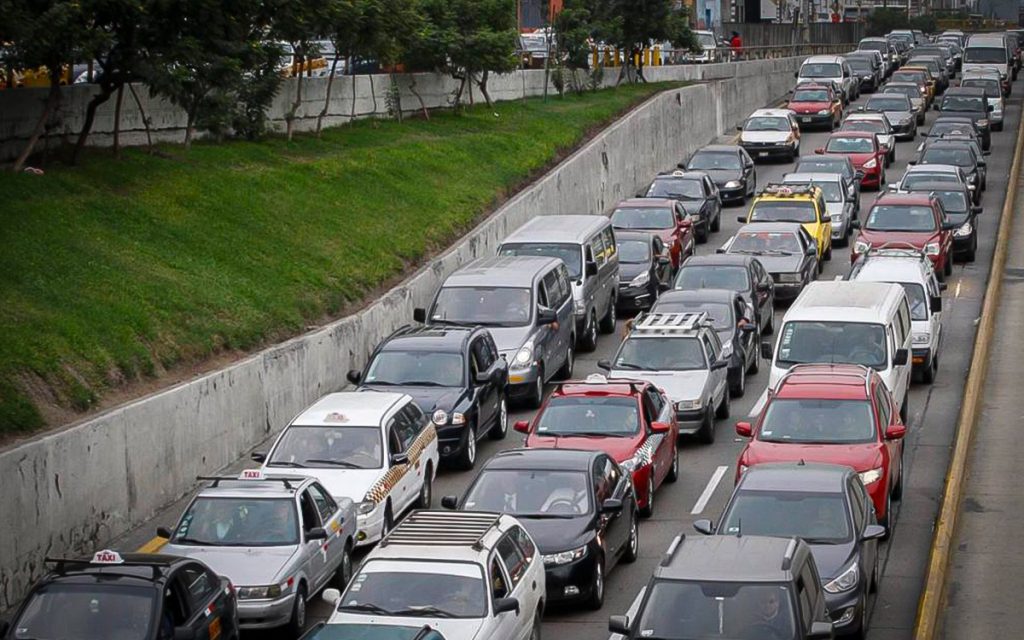
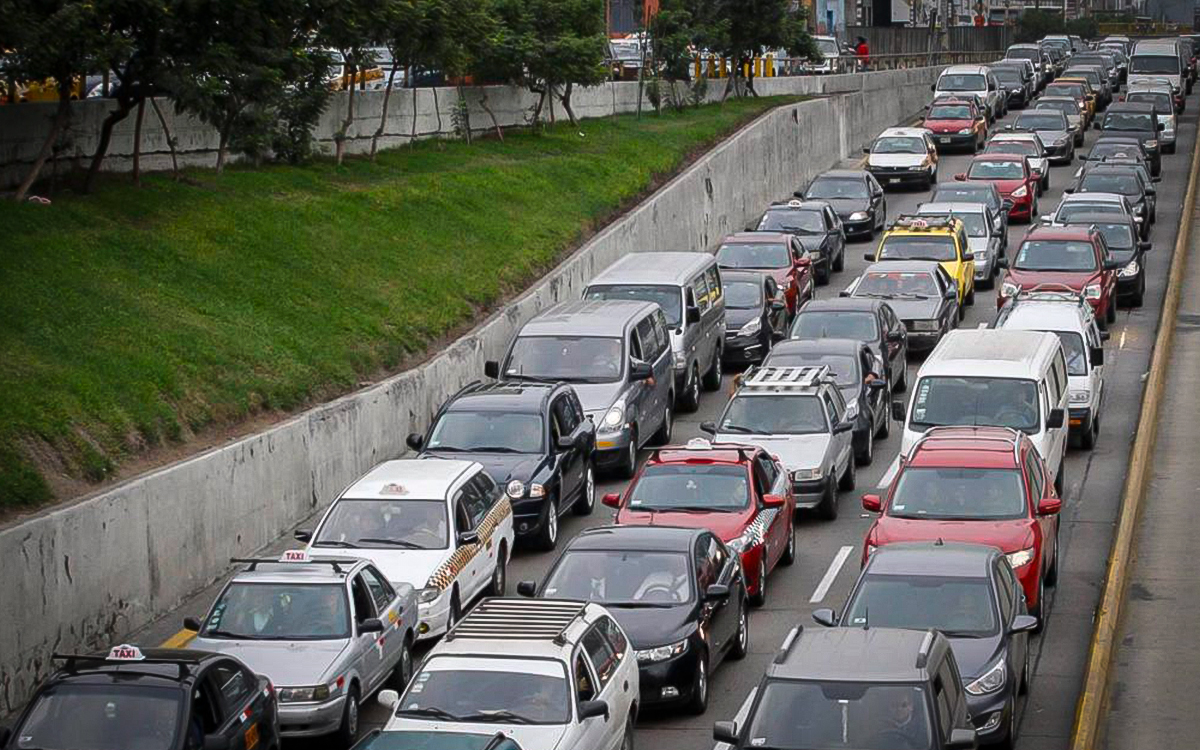
According to the recent TomTom Traffic Index 2025 report, cities like Lima and Arequipa are among the most congested in the world. In the capital, the average speed during rush hour barely reaches 17 km/h, reflecting a sustained saturation of the road system.
Added to this situation are alarming figures: in Lima, a driver can lose between 120 and 150 hours per year in traffic, while the car fleet has grown rapidly in the last decade, exceeding 2 million vehicles in the capital alone.
From the CIP They warn that the growth of the automotive fleet, added to road infrastructure that has not advanced at the same pace, has caused a system on the verge of collapse. Added to this are the lack of integration between different modes of transport and the absence of long-term sustainable solutions.
The problem is not unique to Peru. Globally, cities like Mexico City and Bogotá lead in congestion levels, with drivers losing up to 180 hours a year in traffic. However, in the Peruvian case, the situation is aggravated by a lack of urban planning and still insufficient public transportation.