
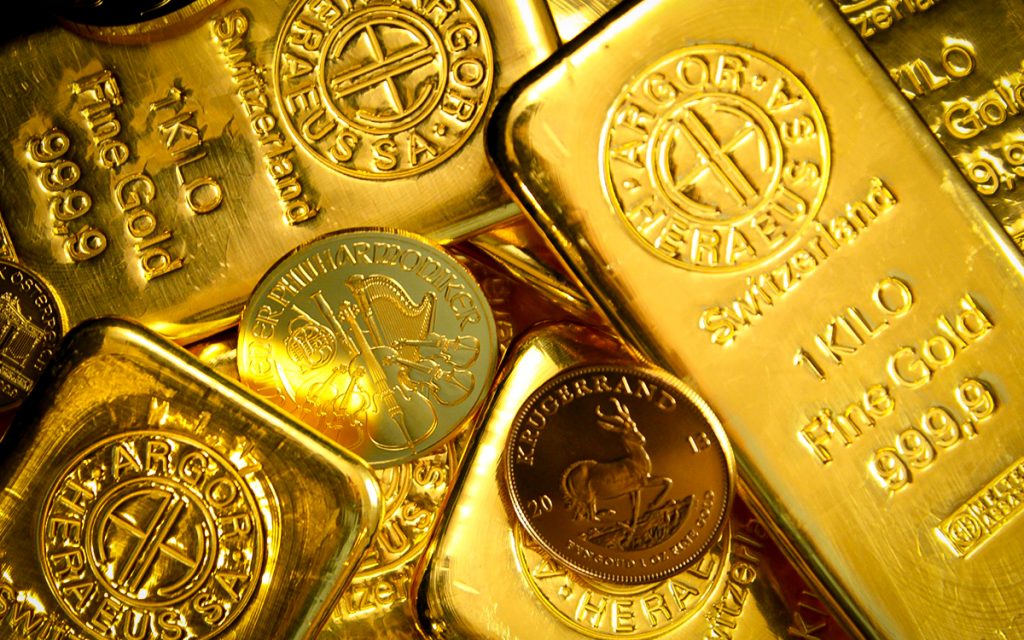
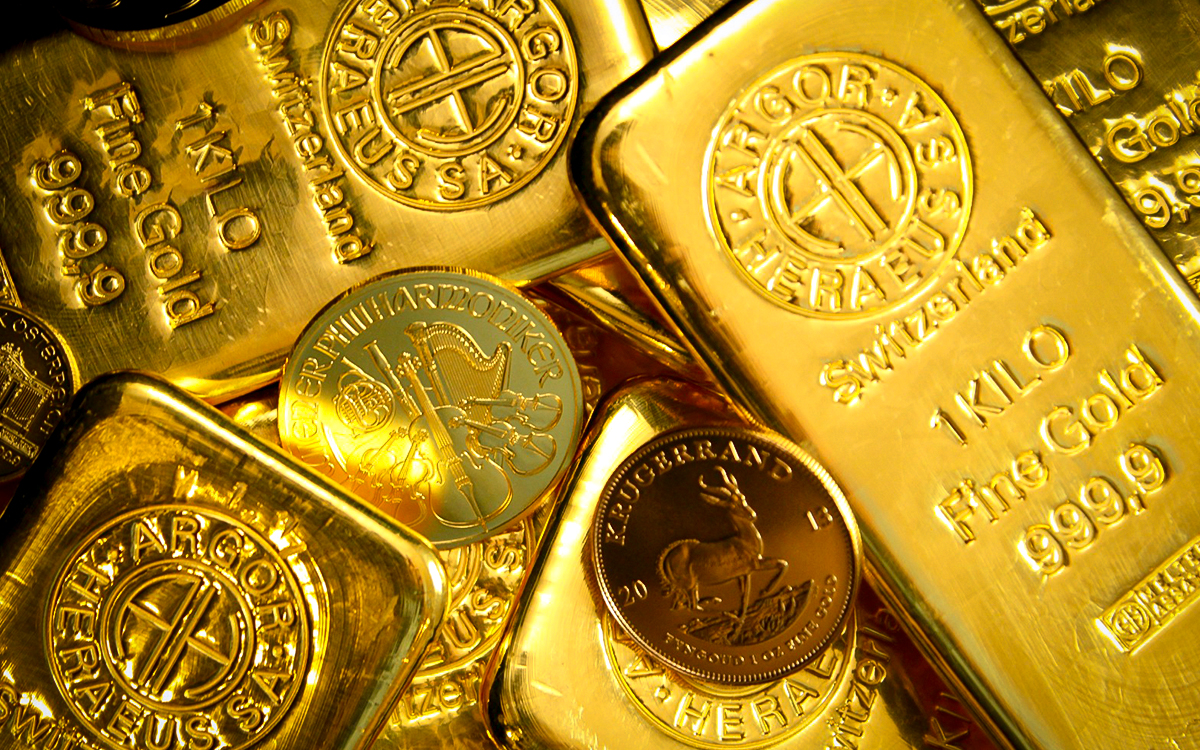
Gold is reestablishing itself as a very important global asset, after reaching an all-time high of over $4800 due to geopolitical and global trade tensions. However, its price fluctuation will depend on several factors during 2026.
According to the analysis of Eduardo Ramos, Senior Market Analyst Latam at VT Markets, regarding the Peruvian market, monetary policy of the main central banks, interest rate movements, the behavior of the US dollar, the global economic environment, and risk perception, in addition to the demand for gold as a safe-haven asset, will be variables to consider.
In Peru, there are two particularities that cannot be ignored: a large part of the financial system and savings is influenced by the dollar. If gold rises in dollars, the profit in soles also depends on how the exchange rate between the sol and the dollar moves. Furthermore, it must be taken into account that buying physical gold is not the same as gaining exposure through financial instruments (ETFs, funds, mining stocks). In contexts of high volatility, liquidity and spread are important.
“For a Peruvian, gold is good ‘portfolio insurance,’ but they must understand that its final result depends on two prices: gold in dollars plus the local exchange rate,” Ramos says.
Current panorama
In an international context and in recent years, gold has shown a solid performance. This behavior has been related to persistent inflation, volatility in financial markets, and the need for protection against economic risks. This explains why interest in gold remains strong heading into 2026.
In Peru, Ramos adds, rather than speaking of a guaranteed rise, the current outlook points to an upward bias with possible corrections. Among the factors that could continue to support gold towards 2026 are geopolitical and trade tensions, the expectation of rate cuts by the U.S. Federal Reserve, which reduces the attractiveness of real yields, and structural demand derived from central bank purchases. In contrast, an abrupt strengthening of the dollar, higher-than-expected interest rates for longer, or a de-escalation of conflicts could lead to pauses or pullbacks in its price.
Is the situation in Venezuela part of the upward trend?
The current situation between the United States and Venezuela does not directly impact gold in terms of supply or demand, but rather through its effect on the perception of global risk. Uncertainty surrounding sanctions, licenses, and the oil market adds pressure to the macroeconomic environment, increases volatility, and strengthens the appeal of safe-haven assets like gold. “In simple terms, the market doesn't buy gold ‘because of Venezuela,’ but because of the set of factors that increase the sense of risk,” Ramos points out.