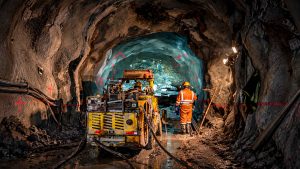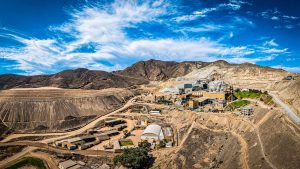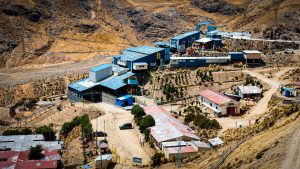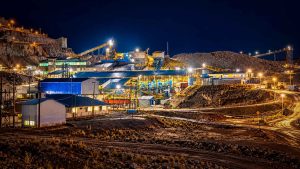
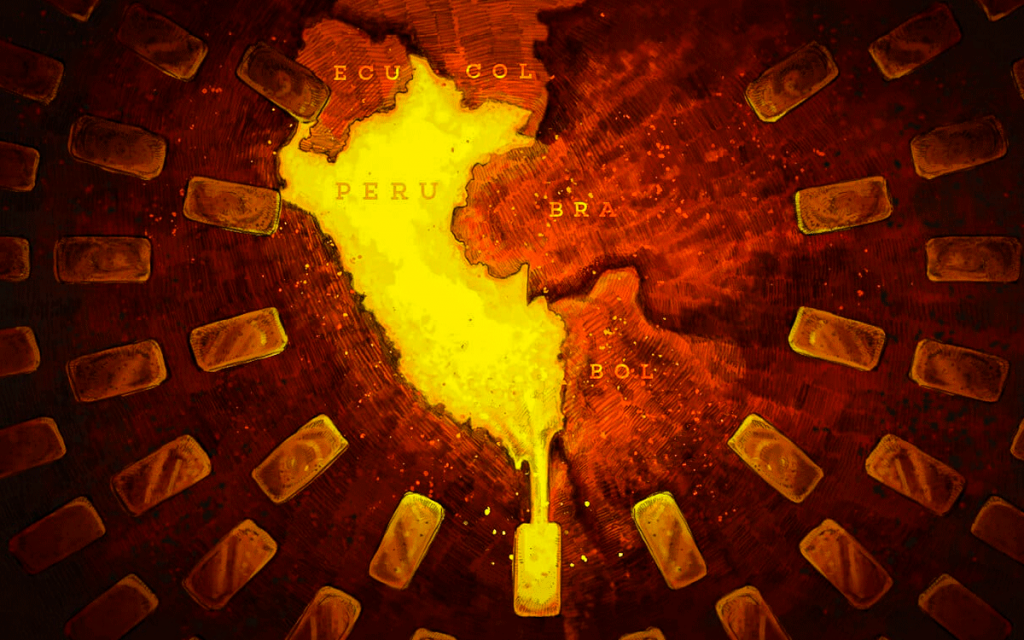
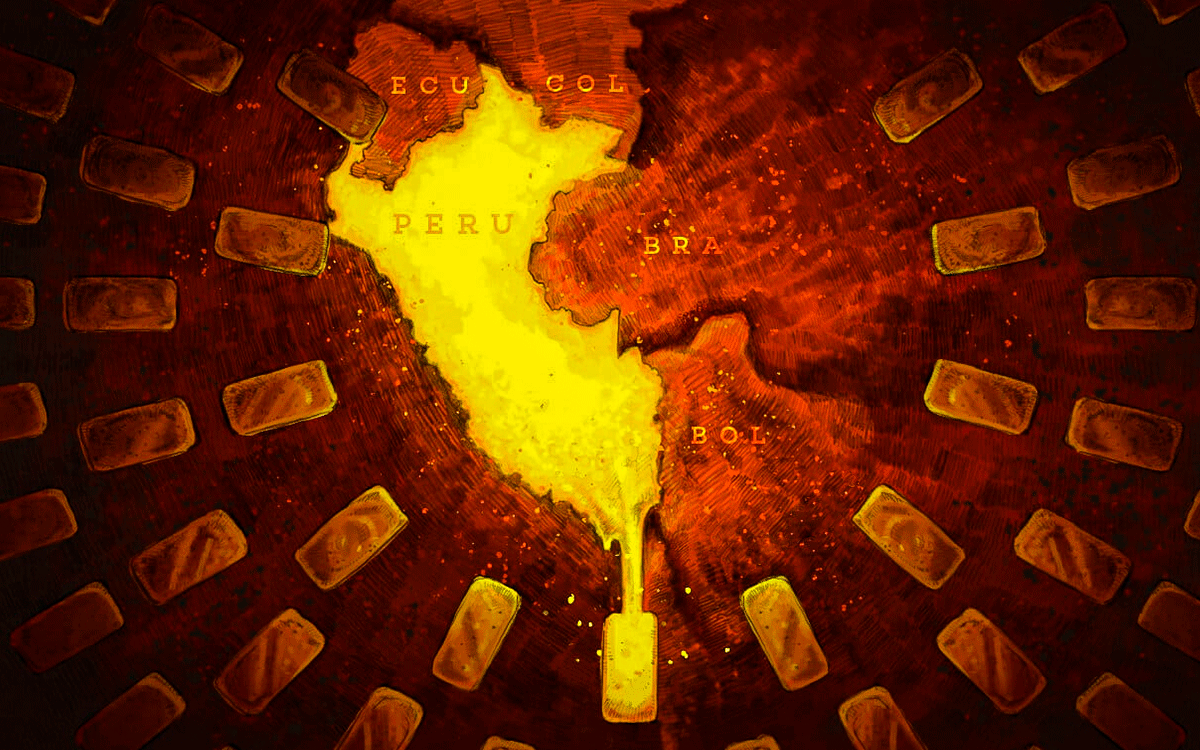
The expansion of illegal mining continues to gain ground in Peru and has become one of the main concerns for international economic authorities. A recent analysis by the International Monetary Fund (IMF) warns that illicit mineral extraction has experienced significant growth in recent years, favored by the high value of metals such as gold and copper on international markets.
According to the entity, the phenomenon has reached such a magnitude that the illegal gold production recorded during 2025 would have approached the volumes generated by formal activity. This scenario reflects the growing operational capacity of the networks linked to unauthorized mineral extraction and poses new challenges for sector governance.
The report indicates that the problem extends beyond the economic sphere and is closely related to criminal activities associated with organized crime. Among the identified risks are money laundering, illicit financial flows, environmental degradation, and impacts on the security of populations where this activity takes place.
The IMF also warns that the advance of illegal mining is no longer limited to gold. The document identifies signs of expansion in informal copper production, estimating that a portion of Peru's copper exports originates from operations outside the legal framework. This situation arises in a context of high international demand for strategic minerals for the energy transition.
To evaluate the evolution of this activity, specialists from the organization developed a methodology based on artificial intelligence and machine learning tools. The model was fed with satellite information and administrative records with the objective of identifying territorial changes associated with illegal mining and measuring its behavior over time.
“IMF staff trained a machine learning model to predict local and time-varying illegal mining activity, using satellite and administrative data,” the organization specified in its report.
The results show that the presence of this activity remained relatively stable during the initial years of the analyzed period. However, after the pandemic, a more accelerated expansion process began, which intensified especially during 2024.
Between 2018 and 2024, the median probability of illegal mining increased by 7.8 percentage points, with over half of the increase occurring solely between 2023 and 2024, reflecting a recent acceleration of the phenomenon.
The study also identifies a geographical expansion of the problem. About 56% of the districts evaluated currently show a higher likelihood of illegal mining activities compared to previous years. This trend indicates that the phenomenon is no longer concentrated solely in traditionally affected areas but is spreading to territories where the incidence was previously low.
Another aspect highlighted by the organization is the institutional weakening that the expansion of these activities can generate. The persistence of illegal economies linked to mining represents a challenge for law enforcement, environmental oversight, and the state's ability to ensure sustainable natural resource management.
In that context, the IMF considers that the growth of illegal mining constitutes one of the most relevant structural challenges for Peru, particularly in a scenario marked by high metal prices and increasing pressure on global demand for mineral resources.