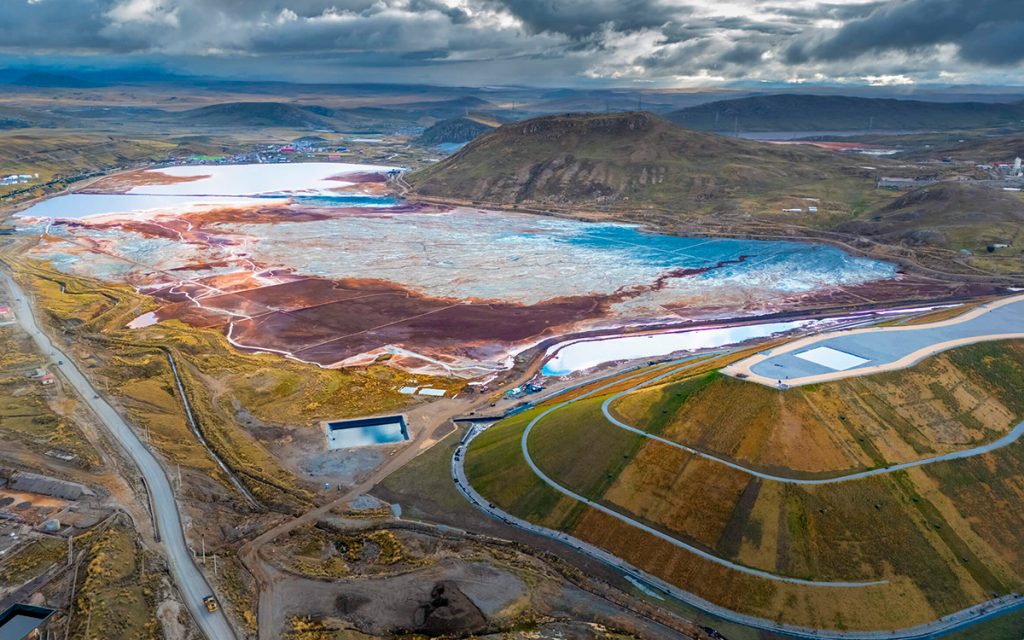
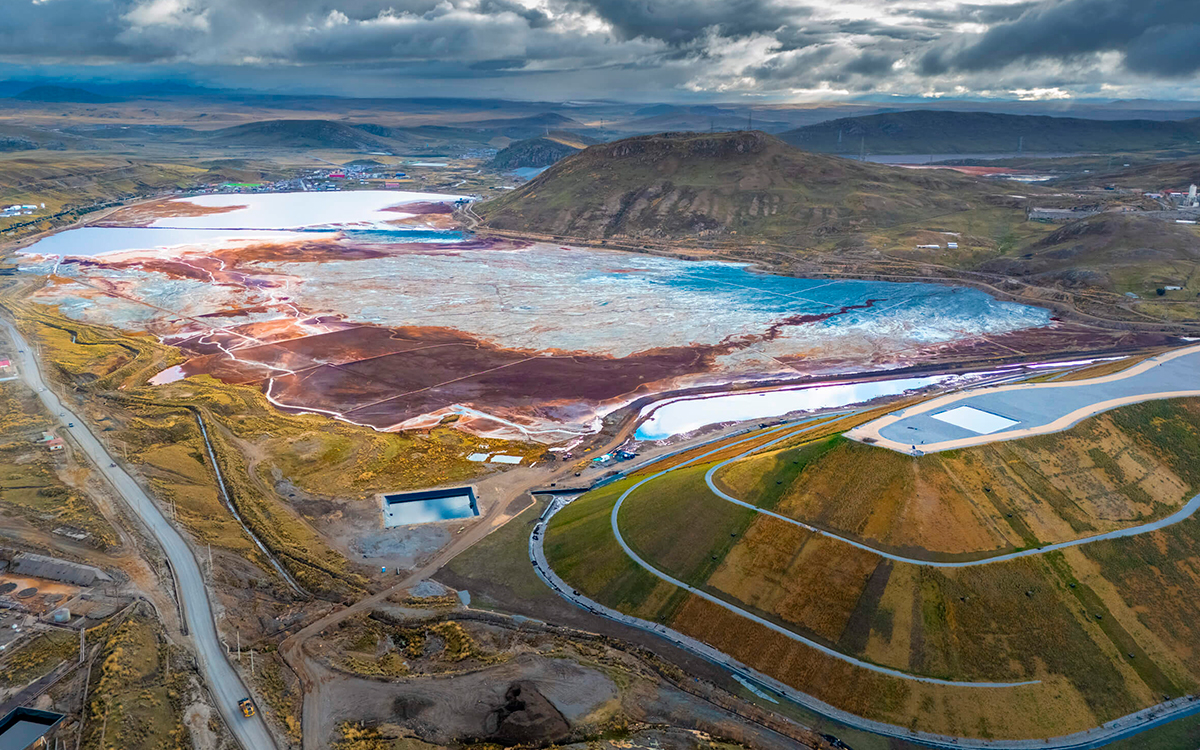
The reuse of historical tailings is gaining prominence in the mining industry as an alternative to recover valuable minerals, promote sustainability, and contribute to environmental remediation. In this context, Manuel Rodríguez Mariátegui, general manager of Cerro de Pasco Resources and president of the International Congress Water and Tailings 2026, highlighted the potential of Quiulacocha Project as one of the country's most representative initiatives for recovering value from mining liabilities.
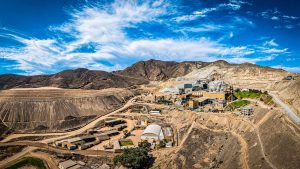
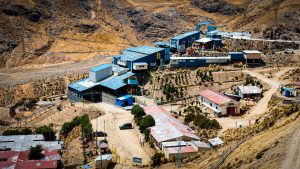
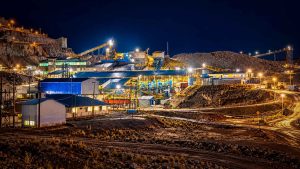
“The Quiulacocha Project represents one of the most emblematic cases of tailings reprocessing in Peru. It is a historical deposit accumulated over more than a century of mining activity in Cerro de Pasco, which still contains significant volumes of silver, zinc, copper, lead, gold, and critical minerals such as gallium and indium, which are highly demanded today by the technology industry and the energy transition,” stated MinerIA y Proyectos during an interview.
As he explained, the project reflects a new vision for the management of environmental liabilities, in which they are no longer seen solely as a legacy problem but rather as an opportunity for economic development and environmental recovery.
Along those lines, he argued that the reuse of tailings allows for progress towards circular economy models capable of generating value from previously discarded materials, while simultaneously reducing the environmental impacts associated with historical deposits.
“At Cerro de Pasco Resources, we understand that an environmental liability can be transformed into an economic value opportunity, while simultaneously reducing its environmental impact through a circular economy approach,” he stated.
Critical mineral recovery
One of the most relevant aspects of the Quiulacocha Project is its potential to recover strategic minerals linked to the energy transition and technological development.
The growing global demand for critical minerals has increased interest in alternative sourcing, including historical tailings that still contain significant concentrations of valuable metals. In this scenario, Quiulacocha presents an opportunity to leverage resources that have already been extracted and stored for decades.
Likewise, Rodríguez emphasized that the project demonstrates how technological advancements allow for the recovery of minerals that previously could not be processed efficiently or profitably, contributing to improved resource utilization and the sustainability of mining activities.
Link between business, state, and community
Another key takeaway from the initiative is the need to build alliances among the various stakeholders involved.
Joint work between Cerro de Pasco Resources, the peasant community of Quiulacocha, Activos Mineros, and the Ministry of Energy and Mines have allowed progress on a proposal aimed at combining economic value recovery, environmental remediation, and local development.
For the executive, these types of initiatives require ongoing dialogue, institutional coordination, and shared objectives that allow for the generation of trust and the assurance of sustainable long-term benefits.
He also highlighted that the relationship with communities is a central element for the success of projects related to tailings and environmental liabilities, as they maintain a close relationship with the environment and the living conditions of the population.
Market interest and replication potential
The Project Quiulacocha It has also piqued interest in the financial market due to its combination of sustainability, critical mineral recovery, and environmental remediation.
According to Rodríguez, the magnitude of the planned investment demonstrates that historical tailings can become real opportunities for responsible development when they have technical support, a long-term vision, and adequate conditions for their execution.
“The Quiulacocha Project demonstrates that the repurposing of mining tailings is not just a conceptual idea, but a replicable model for other projects in the country if there is long-term vision, technical support, and an adequate framework for collaboration,” he/she/it noted.
Along these lines, he considered that the Peru It has favorable conditions to promote similar initiatives in other mining areas, simultaneously contributing to the recovery of strategic minerals and the reduction of environmental liabilities accumulated over decades.
A vision for sustainable mining
Rodríguez maintained that the future of mining requires integrating sustainability, technological innovation, and social responsibility at all stages of projects. From that perspective, experiences such as Quiulacocha demonstrate that it is possible to generate economic value while addressing historical environmental challenges and strengthening relationships with communities.
“Communicating transparently and explaining the project's actions clearly and simply strengthens the relationship with communities,” he/she underlined.
These topics will also be part of the debate on International Congress Water and Tailings 2026, organized by InterMet, which will be held on June 11 and 12 at the Hotel José Antonio Deluxe in Lima and will bring together national and international specialists to analyze the challenges related to water management, tailings governance, sustainability, and the reuse of environmental liabilities in mining.
Finally, the Quiulacocha Project It represents a concrete example of Peru's potential to move towards more responsible mining, based on the circular economy, resource recovery, and remediation of historical environmental liabilities.
For information about exhibition booths and sponsorships, interested parties may contact 987 975 959 to write congresos1@encuentrometalurgia.com e informes@encuentrometalurgia.com