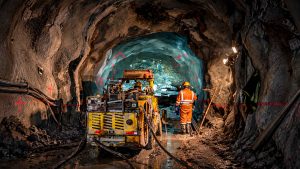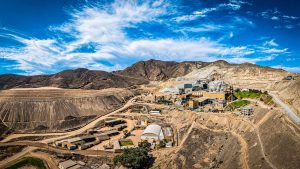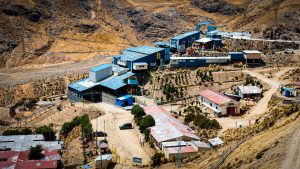
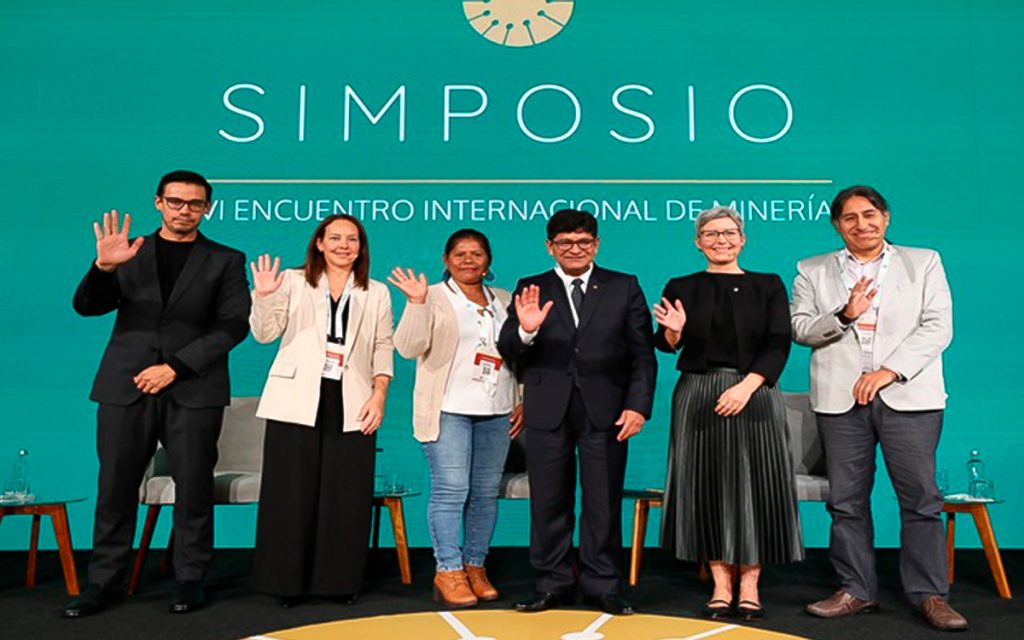
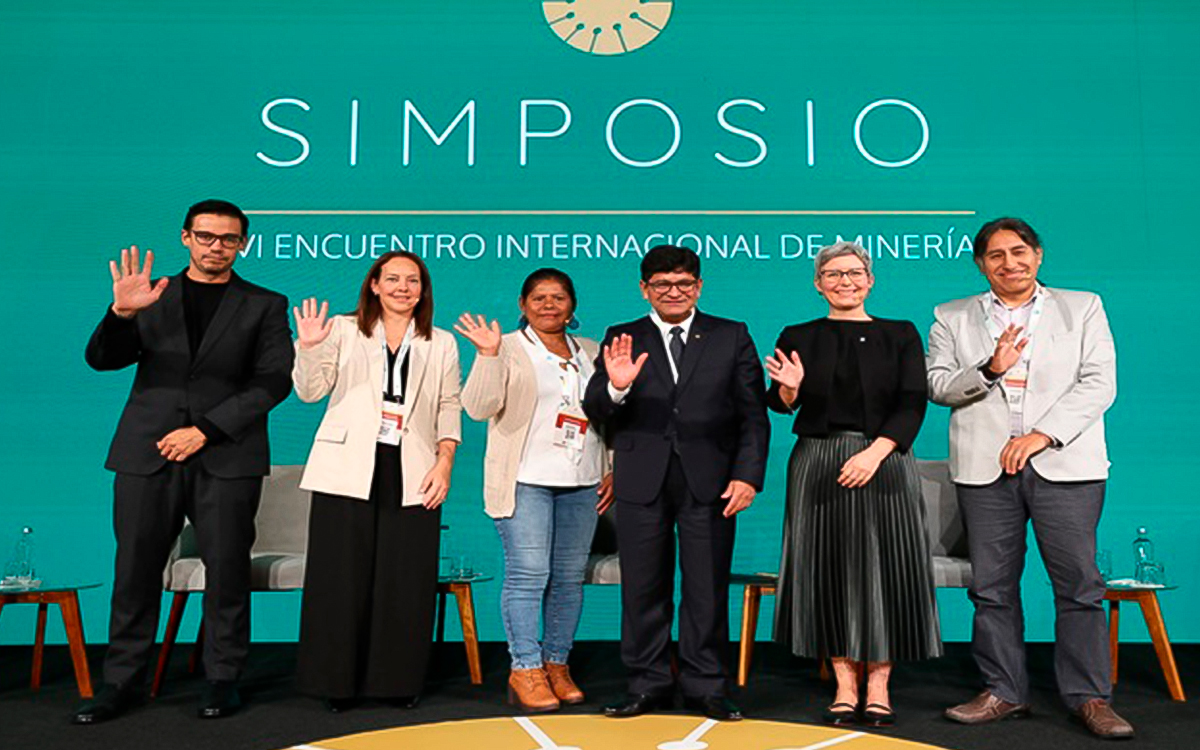
During his participation in the 16th International Mining Meeting Symposium, held in Lima, the regional governor of Arequipa, Dr. Rohel Sánchez Sánchez, presented one of the country's most ambitious proposals to combat illegal mining: the creation of the Chaparra Mining and Metallurgical Park. This project aims to organize, modernize, and formalize artisanal mining activities, serving as a pilot experience with the potential for replication in other regions.
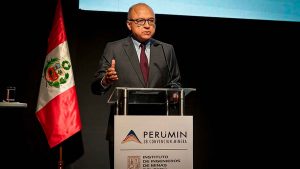
The regional authority participated in the panel “Impact of Illegal Economies on Human Rights,” where they warned that illegal mining has ceased to be solely an environmental or economic problem and has become a direct threat to the security, democratic governance, and fundamental rights of thousands of Peruvians.
“The regions will demand firm decisions, because the country can no longer normalize entire territories falling under the control of criminal economies. We no longer need more diagnoses; we need concrete actions and measurable results,” stated the governor before representatives of international organizations, specialists, and leaders from the mining sector.
Rohel Sánchez maintained that the next National Government will have to adopt a comprehensive state policy against illegal mining, coordinating financial intelligence, territorial control, environmental oversight, the fight against money laundering, and the strengthening of operational capacities in the regions. “The country must decide whether to confront this problem with conviction or continue to manage it politically,” he emphasized.
As part of that vision, he highlighted the progress of the Chaparra Mining and Metallurgical Park, which is currently in the technical design phase. The project will enable approximately 60% of the more than 15,000 artisanal miners in Chaparra, Ático, and other towns in the provinces of Caravelí, Camaná, and Condesuyos to process their minerals in formal facilities, under appropriate environmental and technical standards, while also receiving fair compensation for gold extraction.
The initiative aims to reduce the spaces where networks linked to illegal mining operate, promote the formalization of small producers, and generate a more transparent and competitive production chain. If realized, it would become one of the country's most important experiences for organizing artisanal mining and strengthening the regional economy within the framework of legality.
The governor highlighted that Arequipa is already showing concrete results in terms of mining formalization. During the current regional administration, 223 titled mining concessions were successfully formalized in provinces such as Caravelí, Camaná, Castilla, Condesuyos, Caylloma, and Arequipa. Likewise, more than 1,330 miners were trained in occupational safety and health and current mining regulations, while 3,213 citizens participated in capacity-building programs related to energy and natural resources.
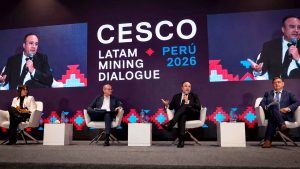
The panel was moderated by Jessica Vásquez, president of the SNMPE Human Rights Committee, and featured the participation of Marcelina Angulo, human rights defender and representative of the Management Committee of the Pintuyacu, Chambira, and Alto Nanay Regional Conservation Area; Jane Antilla, Chief of the Technical Mission in Peru for the Office of the United Nations High Commissioner for Human Rights; and Paulo Vilca, political scientist from the Institute of Peruvian Studies.
Arequipa's participation in this international event reaffirms the region's leadership in seeking concrete solutions to one of the country's greatest challenges: combating illegal mining while promoting economic development, productive inclusion, and respect for the rule of law.