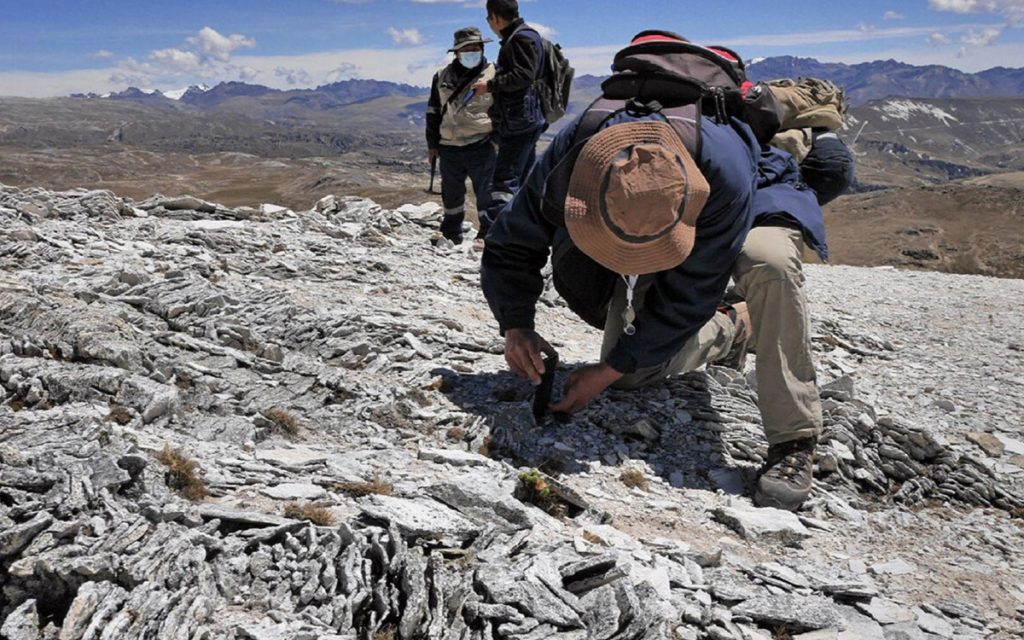
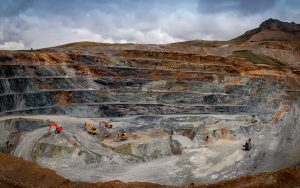
The withdrawal of the Falchani project from the exploration project portfolio of the Ministry of Energy and Mines (Minem) has highlighted the structural weaknesses that lithium exploration in Peru still faces. To reactivate lithium exploration, it is necessary to address some regulatory challenges. This was stated by specialists in mineral exploration.
One of the main factors explaining this situation is the lack of specific regulations to govern the exploitation of uranium, a radioactive mineral found associated with lithium. “There is no legislation for uranium exploitation,” warned geologist Miguel Cardozo, past president of proEXPLO, in a recent interview with El Comercio.
Added to this is the recent disapproval of the Semi-Detailed Environmental Impact Study (EIAsd) submitted by the company Macusani Yellowcake, operator of the project located in Puno, by the General Directorate of Mining Environmental Affairs (DGAAM), due to non-compliance with technical observations.
Strategic outlook
According to Walter Tejada, president of proEXPLO 2025, this situation is reflected in the number of exploration projects related to this mineral. “Today, less than 11% of mining exploration investment in the country is directed toward lithium,” he said.
Tejada maintained that Peru should prioritize minerals based on their geological potential, as is the case with copper. “That teaches us that we must bet on minerals that have the most positive long-term fundamentals, such as copper and gold, which are the most abundant in our subsoil,“ Tejada commented in an interview with El Comercio.
Lithium ranked fifth among the most explored metals in Peru in the 2024 exploration project portfolio, representing an investment of US$21 million. However, it currently ranks eighth, with US$6 million.
International factors
Added to this is an unfavorable international context. The price of lithium has fallen sharply from a peak of US$70,000 per ton in 2022 to less than US$9,000 per ton today, affecting the profitability of projects seeking this mineral, where production costs are higher because the lithium is found in volcanic rock.
In Cardozo's words: “Falchani is the only possibility in lithium that currently exists in the country.” However, to reactivate this initiative, it is important to resolve regulatory gaps and make decisions based on a clear, long-term strategy.